A strong esthetician portfolio should quickly show your qualifications, treatment skills, sanitation awareness, and a clear way to contact you. For spa applications and client bookings, start with a concise professional profile, current credential details where applicable, selected work samples, and realistic service information.
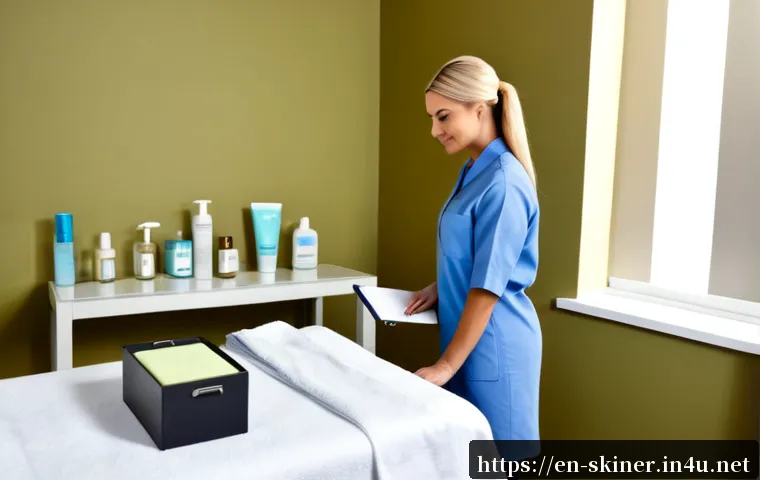
A digital portfolio can be worth paying for when you update work often, want to share a booking-ready link, or need a polished presentation for multiple employers.
A PDF may be the simpler choice when you are applying to a small number of positions and need a controlled, easy-to-review document. Keep every page focused on evidence, not promises.
The goal is to make a hiring manager or prospective client feel informed and comfortable taking the next step.
At a Glance
- Include a professional profile, credential information, training, services, work samples, and contact details.
- Use client images only with clear permission, and protect privacy in every photo, caption, and case example.
- Choose a PDF, portfolio website, or professional social profile based on booking goals, update frequency, privacy needs, and budget.
| Portfolio format | Update speed | Cost considerations | Privacy control | Best use case |
|---|---|---|---|---|
| Printed or PDF portfolio | Moderate; edits require a new file or print version | Consider design template and printing costs | High when shared directly with a specific employer | Spa interviews, school applications, and targeted job searches |
| Portfolio website | Fast; services, galleries, and contact details can be revised | Consider website subscription, domain, template, and photography needs | Set by page visibility and contact settings | Freelance work, ongoing job searches, and client-facing presentation |
| Professional social profile | Fast; suitable for frequent visual updates | May require content creation tools or professional photography | Lower; content is generally more public | Sharing current work and building professional visibility |
The Essential Sections of a Professional Esthetician Portfolio
What hiring managers and prospective clients need to see first
Put the most useful information near the beginning. A reviewer should be able to identify who you are, what services you are prepared to provide, and how to contact you without searching through a long gallery. Lead with a short profile, relevant credentials, selected treatment examples, and a simple service focus. Avoid turning the opening page into a full autobiography or a crowded product list.
Professional profile, license details, and contact information
Your profile can state your professional title, the type of setting you seek, and the client experience you aim to provide. If your location requires a license or registration, include current details that you are permitted to share, along with the jurisdiction. Requirements vary by state, province, and local jurisdiction, so verify what must be displayed before publishing it. Add a professional email address and the contact method you prefer for job inquiries or client consultations.
Education, advanced training, and relevant certifications
List education, skincare certification programs, advanced training, and relevant continuing education in a clean format. Include dates where appropriate so a spa manager can understand what is current. Only include training you completed, and do not imply that a course authorizes services outside your legal scope of practice. A focused list is stronger than a long collection of unrelated certificates.
Choose the Right Portfolio Format for Your Career Goals
Printed PDF vs. portfolio website vs. professional social profile
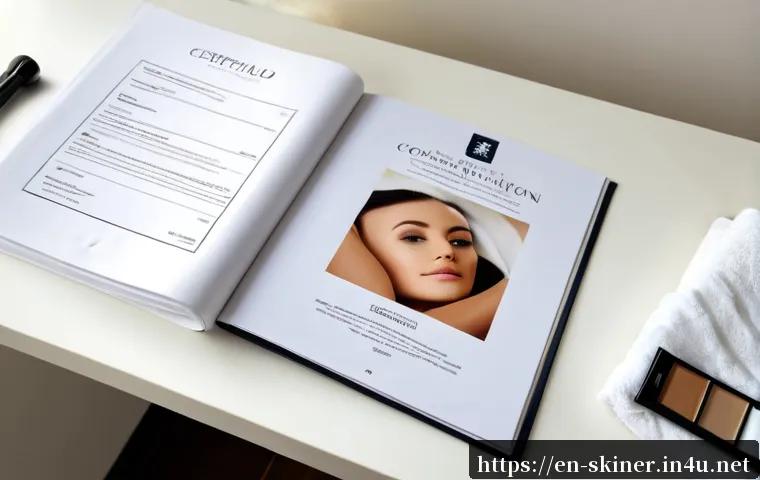
A PDF portfolio is useful when you want a fixed, carefully organized document for an interview. A portfolio website gives you a shareable home for your biography, services, selected work, and contact information. A professional social profile can show current activity, but it should not replace a well-organized portfolio when an employer needs to review credentials and treatment skills quickly.
Comparison points that matter before you choose
Start with the reviewer’s experience. A hiring manager may appreciate a short PDF attachment or printed portfolio, while a prospective client may prefer a mobile-friendly website with clear service information. Consider how often you need to update photos, whether you need stronger privacy controls, and whether the platform makes your contact details easy to find. Keep the visual style consistent across every format.
When paid photography or a website subscription may be worth the investment
Professional photography may be valuable when your current images do not accurately show clean treatment setup, lighting, or detail. A website subscription may make sense if you regularly seek new clients, update your treatment menu, or want one professional link for applications and referrals. Before spending, compare the quality of the template, ease of editing, image storage, privacy settings, and ongoing subscription terms. Choose tools that support your actual workflow rather than features you will not use.
Show Treatment Skills Without Making Unsupported Claims
Before-and-after photos, informed consent, and privacy safeguards
Before-and-after images can demonstrate technique and presentation, but they require clear client permission. Follow workplace policy and confirm whether existing consent forms allow portfolio use. Protect client privacy by avoiding identifying details when they are not necessary. Use accurate captions, avoid heavily edited images, and do not suggest that the same outcome will happen for every person.
Use a simple case-study format
A useful case study can describe the client’s stated skin concern, the service plan, relevant aftercare guidance, and a realistic outcome note. Keep it factual. Treatment outcomes can vary based on skin type, routine, condition, products used, and adherence to aftercare guidance. This format shows that you understand consultation and client education without turning a portfolio into a diagnosis or a guaranteed result.
Services, modalities, and product knowledge within your legal scope
Include services and modalities you are trained and permitted to provide. Show product knowledge by explaining how you approach retail recommendations and home-care education, not by making medical claims. It is also useful to note awareness of contraindications, sanitation procedures, and scope-of-practice boundaries. Verify local requirements before presenting any specialized service.
Add Evidence That Builds Employer and Client Confidence
Consultation process, sanitation standards, and communication approach
Employers and clients may evaluate more than technical service ability. Briefly explain how you approach consultations, listen to client goals, review relevant concerns, and communicate aftercare. Include a short statement about sanitation practices and maintaining a clean treatment environment. Do not disclose private client information in consultation examples.
Retail recommendation and home-care education skills
Professional retail recommendations should feel educational, not pushy. Your portfolio can explain that you match home-care guidance to the client’s stated goals, routine, and product preferences. This signals that you can support a spa’s retail environment while communicating clearly and respectfully. Avoid implying that any product will create a guaranteed outcome.
Testimonials and references: what to include and what to verify

If you include testimonials, use genuine comments you are allowed to share and keep them specific to the experience, communication, or service provided. References can be helpful for job applications when the person has agreed to be contacted. Check names, titles, dates, and permission before adding them. A short verified testimonial is more credible than several vague statements.
Avoid Common Portfolio Mistakes That Can Hurt Credibility
Blurry images, inconsistent branding, and overly long service lists
Select fewer, better images rather than uploading every photo you have. Blurry photos, cluttered backgrounds, and inconsistent lighting can distract from your work. Use the same name, professional tone, and general visual style throughout. Keep service lists focused on the work you are qualified and available to perform.
Missing dates, expired credentials, and unclear availability
Review your portfolio before every application or client campaign. Update training dates, credential information, location, and contact details. If your availability or services change, revise the relevant page promptly. A polished layout cannot compensate for information that is outdated or difficult to verify.
Overpromising results or presenting medical claims without appropriate qualifications
Stay away from dramatic promises, guaranteed transformations, or language that goes beyond your professional role. Describe your process, client education, and realistic treatment planning instead. This protects your credibility and helps employers see that you understand professional boundaries.
Choosing Your Portfolio Format and Presentation Tools
Decision checklist for job applicants, booth renters, and independent estheticians
Job applicants may prioritize a concise PDF and a printed version for interviews. Booth renters may benefit from a portfolio website that presents services, work samples, and professional contact information in one place. Independent estheticians may need a website or professional social profile that can be updated as their booking goals and service menu evolve. In every case, choose the format that a reviewer can understand quickly.
Compare presentation tools by budget and update needs
Compare portfolio templates, website builders, photography services, and printing options based on your budget and how often you expect to revise your materials. A template can save time if it supports clean galleries and readable credential sections. Photography can improve presentation when it accurately captures your workspace or service process. Review official details and terms on the relevant provider page before choosing a subscription or service.
Final pre-sharing checklist for a hiring manager or prospective client
Check that your contact information works, your credentials are current where required, your images have appropriate permission, and your service descriptions stay within scope. Open the portfolio on a phone and computer if you are sharing it digitally. Ask one trusted professional to review whether the most important information is visible within the first few moments.
Selection Criteria and Comparison Summary
Before choosing a portfolio tool, check these points: your primary goal (spa job, freelance visibility, or client bookings), how often you update your work, privacy needs for client images, budget for templates, photography, printing, or subscriptions, and how the portfolio will be reviewed. Compare tools based on booking goals, update frequency, and budget. Official feature descriptions and current terms should be checked before purchasing any website, design, photography, or printing service.
In Closing
An esthetician portfolio works best when it is selective, current, and easy to review. Show your qualifications, client-care approach, treatment knowledge, and professional standards without making claims you cannot support. Whether you use a PDF, website, or social profile, make it clear what you do, how you work, and how someone can contact you. Update it as your training and career direction develop.
Useful Information to Keep in Mind
1. Keep a private master folder of approved images, certificates, and reference materials. 2. Save proof of client permission before sharing visual work samples. 3. Use consistent file names and dates to make updates easier. 4. Keep a short version of your portfolio ready for quick spa applications. 5. Review workplace policies before publishing any treatment-related content.
Important Considerations
License, registration, renewal, insurance, supervision, and photo-consent requirements can differ by location and workplace. A spa, salon, medical office, or employer may also have its own requirements for printed and digital materials. Confirm local rules, workplace policies, and the permitted scope of your services before sharing the portfolio publicly.
Frequently Asked Questions
Q1. What are the most important items to put in an esthetician portfolio?
A1. Start with a professional profile, current credential details where applicable, education and relevant certifications, selected work samples, service information, and professional contact details. Add sanitation awareness, consultation skills, and client communication examples to strengthen the presentation.
Q2. Should an esthetician pay for a portfolio website or use a PDF when applying to spas?
A2. A PDF is often practical for a focused job application because it is easy to send and review. A portfolio website may be worthwhile if you need frequent updates, a shareable link, or a client-facing presence. Compare options based on your application volume, update needs, budget, and the employer’s preferred format.
Q3. Can I include before-and-after skincare photos if I am newly licensed?
A3. You may be able to include them if you have clear client permission and doing so follows local requirements and workplace policy. Protect privacy, use accurate captions, and avoid promising that another client will receive the same result. If permission or policy is unclear, use other evidence of training, sanitation, consultation, and service knowledge instead.