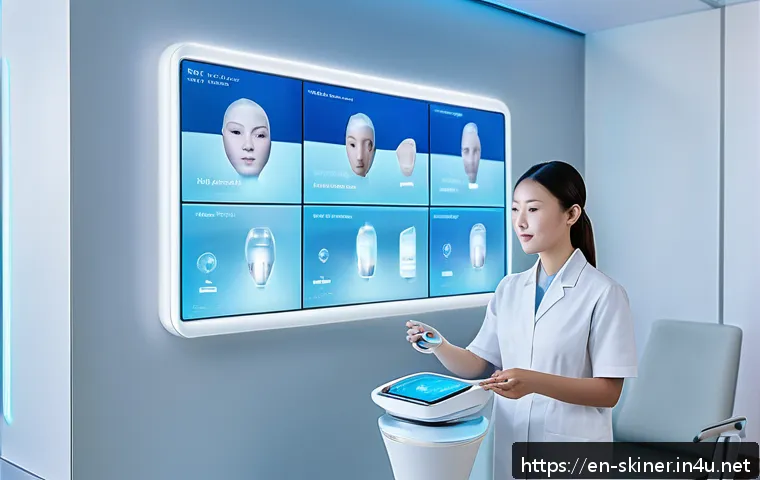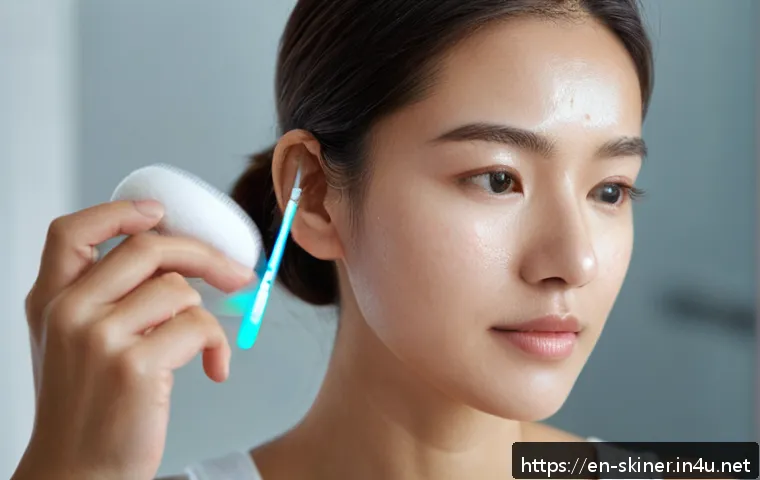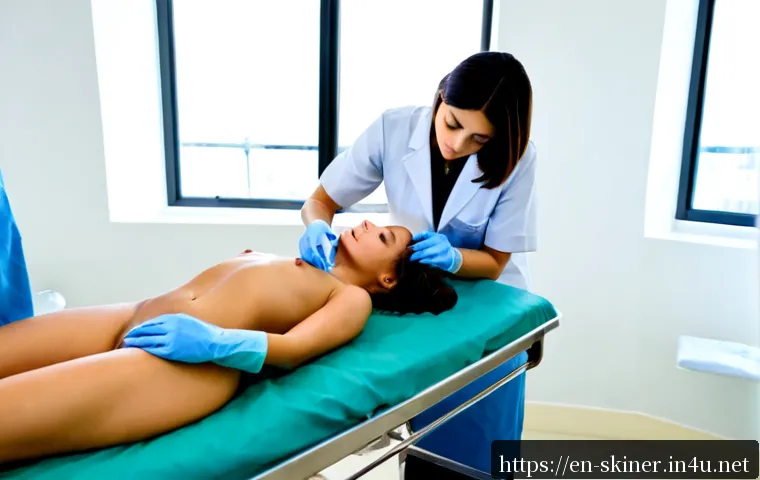
The best esthetician certification program is one that meets your state’s licensing requirements, clearly explains the full cost, and supports the services you plan to offer after graduation.
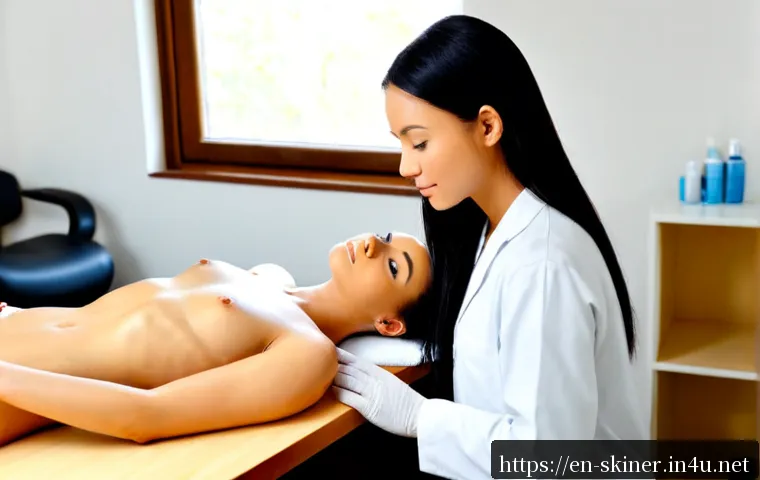
Before comparing beauty school tuition, confirm that the program is approved or eligible for the licensing path in your location. Most entry-level programs combine classroom learning with supervised practical training in foundational skincare services.
Costs can extend beyond tuition, so student kits, textbooks, uniforms, examination fees, and license application fees deserve attention early. A lower tuition figure is not always the lower overall enrollment cost.
Comparing schools by practical training, schedule, included supplies, financing options, and career support can make the decision more practical.
At a Glance
- Choose an esthetics program that is eligible for your state’s licensing process, not simply one that offers a completion certificate.
- Compare total program cost, including tuition, skincare kits, supplies, examinations, uniforms, and licensing-related fees.
- Look for supervised practical training, clear sanitation standards, and course content that matches your intended career path.
| Comparison Point | What to Confirm Before Enrolling | Why It Matters |
|---|---|---|
| State approval or eligibility | Whether the school and program meet the requirements for your state licensing pathway | Course completion alone may not qualify you to apply for a license. |
| Program length and schedule | Full-time, part-time, evening, or flexible scheduling options | The schedule affects work commitments, transportation, and possible lost work time. |
| Practical training | How supervised clinic or hands-on practice is organized and documented | Hands-on practice helps students build service routines, consultation skills, and confidence. |
| Included supplies | Whether student kits, textbooks, uniforms, and consumable supplies are included | Beauty school tuition may not represent the full enrollment cost. |
| Financing options | Available payment plans, financial aid information, and fee schedules | Terms and eligibility can differ by school and should be reviewed directly. |
| Career support | Whether the program explains job-search support, professional preparation, or client-building basics | Support may be useful, but it should not replace strong foundational training. |
What a Career-Ready Esthetics Program Should Prepare You For
A career-ready esthetics program should prepare you for the foundational knowledge, practical routines, and licensing steps relevant to your state. The right school is not necessarily the one with the shortest schedule or the most impressive marketing language. It is the one that provides a clear route from training to the type of entry-level skincare work you want to pursue.
The Difference Between Course Completion and Professional Licensing
Completing an esthetics course and becoming licensed are often separate steps. In the United States, estheticians are generally regulated at the state level. Depending on the jurisdiction, the licensing process may require graduation from an approved program and passing required examinations.
A school certificate can show that you completed its course, but it does not automatically answer whether you meet your state’s licensing requirements. Ask the school to explain, in plain language, how its program relates to state approval, required training hours, examination pathways, and application steps. Then verify those points with the appropriate state licensing authority.
Core Skills Commonly Taught in Entry-Level Training
Many esthetician training programs combine theory with practical instruction. Common subjects may include skin analysis, sanitation, hair removal, facials, makeup basics, product knowledge, and client consultation. These topics matter because a professional skincare service involves more than applying products or following a treatment sequence.
Students may also learn how to discuss services with clients, maintain a clean work area, select products within training guidelines, and document client information. When comparing esthetics school tuition, review the course list carefully. A detailed curriculum is more useful than a broad promise to teach “everything about skincare.”
Why Supervised Hands-On Practice Matters
Supervised practical training is one of the most important features to compare. Classroom lessons can introduce skin concepts and product knowledge, but practical work helps students practice consultations, sanitation routines, treatment setup, timing, and communication.
Ask how the school structures hands-on learning. Will students practice in a student clinic? Is an instructor present during practical services? How are clinic hours recorded? Are there clear policies for sanitation and treatment documentation? Schools should be able to describe their practical training process without vague answers.
Licensing Rules: Start With Your State Requirements
Start your search with your state’s requirements rather than with a school advertisement. Training hours, examination requirements, license application steps, and renewal rules can vary by location. A program that works well for one state may not meet the requirements of another.
Approved Schools, Required Hours, and Examination Pathways
Before paying a deposit, identify the official source that regulates esthetician licensing in your state. Confirm whether you need to attend an approved school, complete a certain amount of training, take one or more examinations, or submit specific documents with your application.
Do not rely only on a general statement such as “license-ready” or “state recognized.” Ask the school which jurisdiction it is referring to and whether it can explain the exact program status. If you may move after graduation, ask whether the training is likely to align with the destination state’s rules. Because requirements can change, direct confirmation remains essential.
Scope-of-Practice Limits for Advanced Skincare Services
Entry-level esthetics education may not cover every service promoted by spas, clinics, or medical-esthetics-adjacent businesses. Certain peels, laser-related procedures, and medical-spa treatments can have separate rules, training requirements, or scope-of-practice limits.
This is an area where careful verification matters. Do not assume that an advanced workshop, a product-brand class, or a school certificate automatically expands what you are permitted to do. Ask what services are allowed under an entry-level esthetician license in your jurisdiction and what additional credentials, supervision, or restrictions may apply.
Questions to Ask a School About License Eligibility
- Is this program approved or recognized for the esthetician licensing pathway in my state?
- What documents will I receive after completing the program?
- What examinations or application steps may be required after graduation?
- How does the school track classroom and practical training hours?
- Can you provide a written breakdown of fees related to training, examinations, and licensing?
A school that answers these questions clearly gives you a stronger basis for comparing program value. If answers are uncertain, overly broad, or only verbal, pause before enrolling.
Comparing Program Length, Tuition, and What Is Included
Beauty school tuition is only one part of the decision. Compare programs using a full-cost view that includes the schedule, supplies, practical training access, and any payment plan terms. This approach is especially useful for career changers balancing school with employment or family responsibilities.
Full-Time, Part-Time, and Flexible Scheduling Options
Programs may offer full-time, part-time, evening, or other flexible scheduling arrangements. The best option depends on your available time and the pace at which you can complete required training. A shorter calendar schedule may be appealing, but it may be difficult to manage if it conflicts with your work hours, transportation, or caregiving responsibilities.
Ask for a current class calendar and find out how absences, makeup sessions, clinic requirements, and schedule changes are handled. Also consider the cost of missed work time. That cost may not appear on a tuition quote, yet it can affect the real financial impact of enrollment.
Tuition Versus Total Enrollment Cost
Compare total program cost, not tuition alone. Tuition may not include every expense. Students may also need to budget for professional skincare kits, textbooks, uniforms, consumable supplies, examination fees, license application fees, transportation, and time away from paid work.
Request a written itemized estimate before you commit. A useful estimate separates required charges from optional purchases. It should also identify when each payment is due. This makes it easier to compare a program with a higher advertised tuition but more included supplies against a lower-tuition option with separate kit and fee requirements.
Comparing Student Kits, Clinic Hours, and Payment Plans
A student kit can be valuable when it contains the products and tools needed for coursework and supervised practice. Still, ask exactly what is included and whether you will need to replace consumable items. Product knowledge is useful, but avoid treating a branded kit as the main indicator of program quality.
For payment plans or financing options, focus on clarity. Ask what the plan covers, whether kits and fees are included, and what happens if your schedule changes or you withdraw. Financial aid eligibility and current payment terms vary by school, so review official information directly rather than relying on a general comparison post.
If you are reviewing program pages, look for the sections that list tuition, kit costs, payment schedules, and refund or withdrawal policies. Those details are more useful than a single headline price.
Practical Training, Safety Standards, and Common Enrollment Mistakes
Strong esthetics training should treat safety and consistent client care as core skills, not as minor extras. The program should explain how students learn sanitation, consultation, product handling, and recordkeeping within the services allowed in their training environment.
Sanitation, Client Consultation, and Treatment Documentation
Sanitation is central to professional skincare services. During training, students may learn how to prepare a service area, handle products and tools appropriately, and follow school procedures for maintaining a clean environment. These habits support both client confidence and professional readiness.
Client consultation is equally important. Estheticians often need to communicate clearly about client goals, service expectations, product information, and relevant limitations. Training that includes consultation practice and treatment documentation can help students develop a more organized approach before entering a spa, salon, or independent setting.
Avoiding Programs With Unclear Fees or Weak Practical Training
Be cautious when a program makes broad promises but provides few details. Common warning signs include unclear licensing claims, vague practical-hour policies, missing fee disclosures, or pressure to enroll before you have received written information.
- Do not assume “certified” means “licensed” without checking the state pathway.
- Do not compare tuition without asking about kits, supplies, examinations, uniforms, and application fees.
- Do not overlook how much supervised practical experience is included.
- Do not rely on claims about advanced services without confirming state scope-of-practice rules.
A transparent school should be willing to explain its curriculum, practical training structure, and enrollment charges. If you cannot get a clear answer before paying, it may be difficult to resolve confusion later.
When Advanced Certifications May Be Worth the Additional Cost
Advanced training may be worth considering after you understand your entry-level licensing path and career direction. It can be relevant if you plan to focus on a particular service area or if an employer prefers additional education. However, advanced training should not be used as a substitute for a solid foundation in sanitation, skin analysis, consultation, and the services permitted under your license.
Before spending more on an advanced course, ask what the training teaches, whether it is recognized or useful in your intended work setting, and whether the service is within your legal scope of practice. The answer may depend on your state and the specific treatment involved.
Choosing a Path for Spa, Salon, or Independent Work
Your intended work environment should influence how you compare esthetician certification programs. A first-time student seeking spa employment may prioritize structured clinic training. Someone planning independent services may place more value on consultation practice, scheduling flexibility, and basic client communication skills.
Programs for First-Time Career Changers
Career changers often benefit from programs that explain the sequence clearly: training, practical work, examinations where required, licensing, and entry-level job preparation. Look for a realistic overview rather than a promise of immediate success.
It may help to choose a program with a schedule you can sustain. Ask how often classes meet, how practical sessions are assigned, and whether the school provides guidance on completing the required steps after graduation. The goal is to select a path you can finish without creating avoidable financial or scheduling strain.
Considerations for Students Planning to Rent a Room or Build a Client Base
Students interested in independent work should still begin with state eligibility and foundational skills. Beyond technical training, consider whether the program includes client consultation, product knowledge, treatment documentation, and professional communication. These skills can be useful when building a consistent service experience.
Independent work may also involve local business, insurance, facility, and licensing considerations that are outside a basic esthetics curriculum. Avoid assuming that a school’s completion certificate covers every requirement for operating independently. Confirm local requirements separately before making business commitments.
When to Explore Medical-Spa-Adjacent Training Carefully
Medical-spa-adjacent settings can be appealing, but they require careful research. Some advanced services may have separate rules, additional training expectations, or limits on who may perform them. The label “medical spa” does not by itself explain what an entry-level esthetician is allowed to do.
Ask prospective schools to distinguish between foundational esthetics education and advanced treatment training. Then verify scope-of-practice rules with the relevant state authority. This protects you from paying for a course based on assumptions about services you may not be permitted to provide.
Selection Criteria and Comparison Summary
Before You Enroll, use a simple decision checklist. Confirm state eligibility, compare total program cost, review supervised practical training, choose a workable schedule, and check whether course content fits your intended service path. Request written details for tuition, professional skincare kit costs, supplies, examinations, application fees, and payment plans. Review official program information and detailed enrollment conditions on the school’s page before paying a deposit.
A Final Checklist for Comparing Approved Schools
- Does the program align with my state’s esthetician licensing requirements?
- Is the tuition quote accompanied by a full list of additional required costs?
- How much supervised practical training is included, and how is it documented?
- Does the class schedule fit my work, transportation, and family commitments?
- Are advanced-service claims explained with clear scope-of-practice limits?
- Can the school provide key policies and fee details in writing?
How to Balance Cost, Schedule, Practical Experience, and Career Goals
The most affordable advertised tuition is not always the best value, and the longest program is not automatically the strongest. Balance cost against the training you actually need: state-eligible coursework, supervised practice, transparent fees, and a schedule you can complete.
If two programs appear similar, compare their practical training policies and full-cost disclosures first. These areas often reveal whether the school has planned its student experience carefully. Choose based on fit and verified information, not urgency or promotional language.
Documents and Fee Details to Confirm Before Paying a Deposit
Ask for the enrollment agreement, curriculum outline, current fee schedule, student kit list, attendance policy, practical-training policy, and information about examinations and licensing steps. Read payment and withdrawal terms carefully. If financing is offered, review the official terms and eligibility requirements before making a commitment.
Conclusion
Choosing an esthetician certification program starts with a practical question: will this training support your state licensing path and your intended work? From there, compare full costs, supervised hands-on training, schedule flexibility, and the services covered by the curriculum. A clear written breakdown is often more valuable than a polished sales message. Take time to verify the details before you enroll.
Useful Information to Keep in Mind
1. State licensing rules can differ, so check your own jurisdiction first.
2. Tuition may be separate from kits, books, uniforms, examinations, and license application fees.
3. Practical clinic experience and sanitation training are important comparison points.
4. Advanced treatments may have separate training or scope-of-practice restrictions.
5. A written fee list helps you compare esthetics school tuition more accurately.
Important Notes
Training-hour requirements, examination pathways, license renewal rules, tuition, financial aid eligibility, payment plans, and permitted advanced services must be confirmed with the appropriate state authority and individual school. Local job demand, starting pay, and employer preferences can also vary. Do not treat general program information as a guarantee of licensing, employment, or permission to perform a particular service.
Frequently Asked Questions
Q1. How much does esthetician school cost in the United States?
A1. Costs vary by school and location. Tuition may not include every expense, so compare the full cost of attendance, including student kits, textbooks, uniforms, supplies, examination fees, license application fees, transportation, and possible lost work time.
Q2. Do I need a license after completing an esthetics course?
A2. In many U.S. states, estheticians are regulated at the state level. Completing a course may be only one part of the process. Your state may require graduation from an approved program and passing required examinations, depending on the jurisdiction.
Q3. How do I choose an esthetician program that is worth the tuition?
A3. Choose a program that aligns with your state licensing requirements, provides supervised practical training, explains all required fees in writing, and fits your schedule and career goals. Compare total enrollment cost rather than tuition alone, and verify claims about advanced services before paying a deposit.