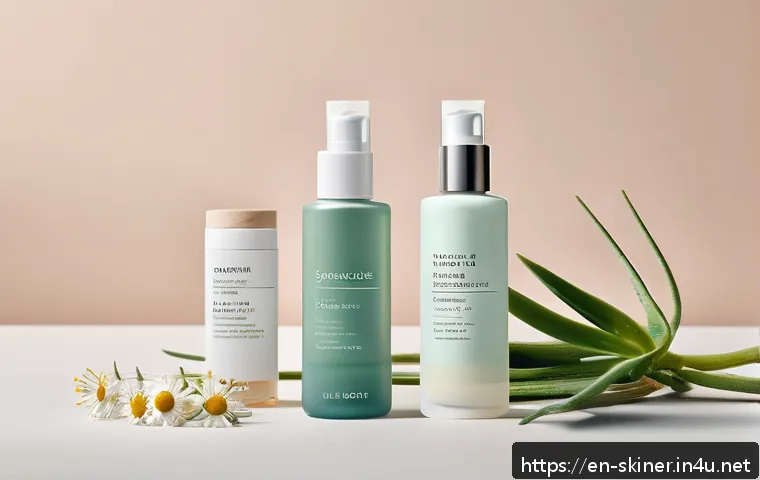
In a world where skincare innovations seem to emerge overnight, it’s fascinating to reflect on how far beauty technology has come—from ancient herbal remedies to today’s AI-driven solutions.
With personalized skincare now powered by data and smart devices, the way we approach beauty is rapidly transforming. If you’ve ever wondered how traditional practices paved the way for cutting-edge advancements, you’re in the right place.
Let’s embark on a journey through time and technology to uncover the evolving secrets behind radiant skin. Stick around, because what’s coming next might just change how you think about your daily routine.
The Rise of Smart Skincare: How Tech is Personalizing Beauty
From Guesswork to Data-Driven Decisions
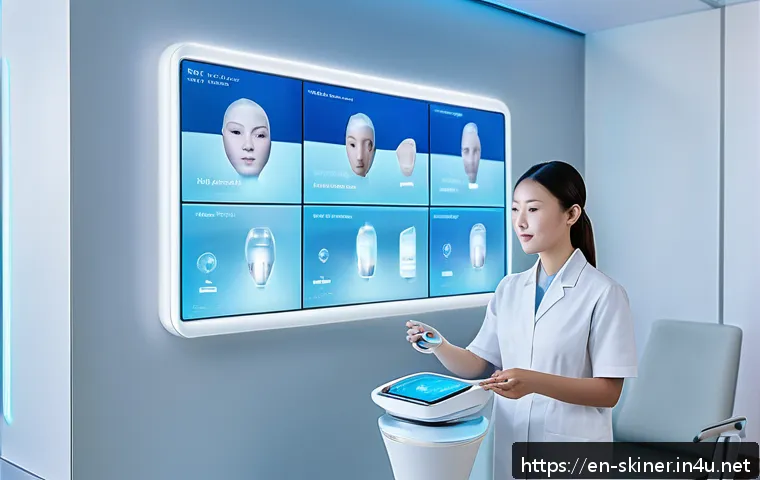
The days of blindly picking skincare products off shelves are rapidly fading away. Thanks to smart devices and apps, people can now get personalized recommendations based on their unique skin profiles.
I’ve personally tested apps that analyze your skin through selfies, measuring hydration, pigmentation, and even pore size. This data-driven approach allows users to select products that truly address their concerns instead of wasting money on trial and error.
It’s like having a dermatologist in your pocket, but way more convenient and accessible anytime you want. The accuracy and customization this technology offers have completely changed my routine for the better.
AI and Machine Learning in Skincare Formulations
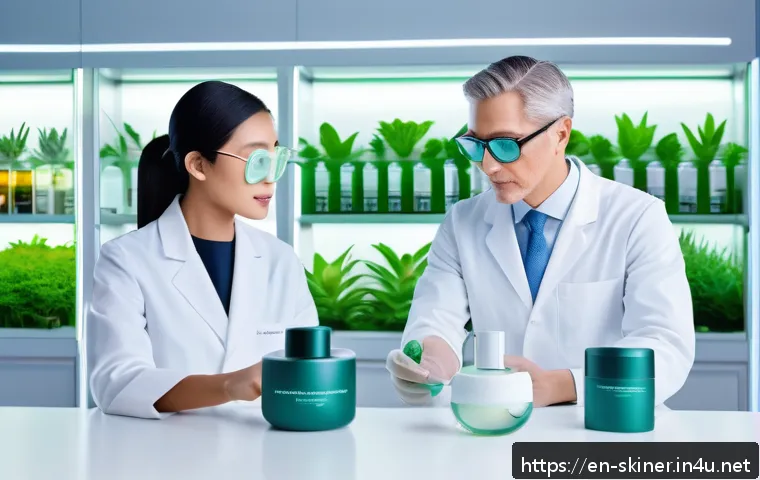
Artificial intelligence is no longer science fiction—it’s actively shaping the formulas behind your favorite serums and creams. Brands use machine learning algorithms to analyze vast amounts of ingredient data and consumer feedback to develop products that deliver better results.
From predicting how ingredients interact to optimizing concentrations for maximum efficacy, AI accelerates product innovation. I’ve noticed that some new launches boast ingredient combinations that just feel smarter and more effective, and now I understand why.
This technology enables brands to move beyond traditional trial phases, saving time and improving product safety and performance.
Wearable Skincare Tech for Real-Time Monitoring
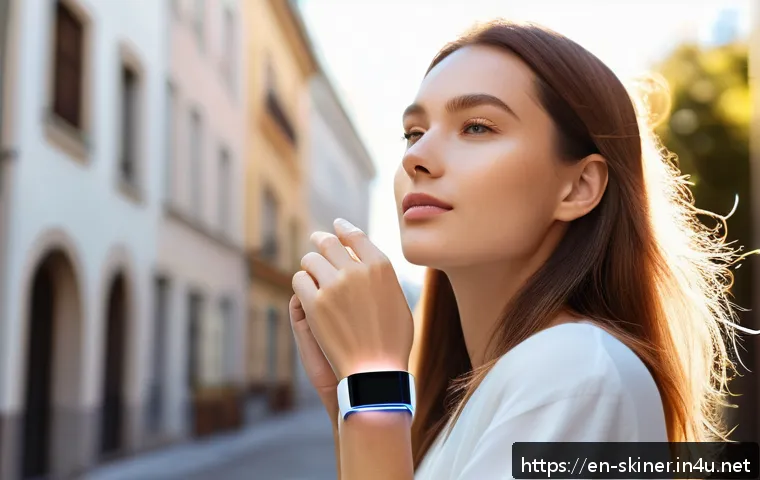
Imagine a device that tracks your skin’s condition throughout the day and adjusts your skincare accordingly—that’s becoming a reality. Wearable sensors embedded in patches or even smart jewelry can monitor factors like UV exposure, moisture levels, and pollution impact.
These real-time insights help users make informed decisions on when to apply sunscreen, moisturizer, or antioxidant boosters. I tried a wearable UV sensor, and it was eye-opening to see exactly when my skin was most vulnerable during my commute.
This kind of immediate feedback is empowering people to take proactive care rather than reactive fixes.
Ancient Wisdom Meets Modern Science
Herbal Traditions Inspiring Contemporary Formulas
Many of today’s skincare breakthroughs have roots in ancient herbal remedies used for centuries. Ingredients like turmeric, green tea, and aloe vera have been staples in traditional beauty rituals worldwide.
Modern science has validated many of these natural compounds for their anti-inflammatory, antioxidant, and healing properties. I find it fascinating how brands now combine these age-old botanicals with cutting-edge delivery systems, like liposomes and nanotechnology, to boost absorption and effectiveness.
This fusion of old and new creates products that honor tradition while meeting modern skin demands.
Holistic Approaches to Skin Health
Traditional skincare wasn’t just about surface treatments—it often involved diet, lifestyle, and mindfulness practices. This holistic perspective is making a comeback in the wellness-driven beauty industry.
More consumers are adopting routines that include not only topical products but also supplements, stress management, and sleep optimization to enhance skin health from within.
Personally, integrating meditation and nutritional adjustments alongside my skincare has noticeably improved my complexion’s clarity and glow. It’s a reminder that radiant skin is often a reflection of overall well-being.
Timeless Rituals Adapted for Today
Some rituals like facial massages, oil cleansing, and steam treatments have persisted across cultures and centuries. What’s exciting is how these practices are being adapted with modern tools and products.
For example, jade rollers and gua sha stones are enjoying a resurgence, now paired with serums enriched by peptides and growth factors. Using these tools has become a relaxing ritual for me that boosts circulation and product absorption.
It’s incredible how these simple, tactile techniques can elevate a routine, connecting us to beauty traditions while embracing innovation.
Breaking Down Skincare Ingredients: What Really Works?
Decoding Labels and Active Components
With the overwhelming variety of ingredients in the market, it’s easy to feel lost. Knowing which actives target specific concerns can save time and money.
For example, vitamin C is a powerhouse antioxidant that brightens and protects, while retinol promotes cell turnover and reduces wrinkles. I’ve learned that understanding ingredient synergy is crucial—some combinations enhance effects, while others can cause irritation.
This knowledge transformed how I shop; now I’m much more selective and confident in my choices, avoiding unnecessary fillers and focusing on proven components.
Emerging Actives and Their Benefits
The skincare world is continuously unveiling novel actives like bakuchiol, a gentler retinol alternative, and niacinamide, known for its anti-inflammatory and pore-refining properties.
Personally, incorporating niacinamide into my routine was a game-changer for reducing redness and balancing oil production. These new ingredients often come with clinical backing and user testimonials that make them more trustworthy.
Staying updated on these trends helps me experiment safely and keeps my skin routine fresh and effective.
Understanding Product Formulations and Stability
Even the best ingredients can lose potency if not formulated or stored properly. Factors like pH, packaging, and preservatives impact product stability and performance.
For example, vitamin C serums need airtight, dark containers to prevent oxidation. I’ve noticed that once I started paying attention to packaging details and expiration dates, my products seemed to deliver better results and lasted longer.
This practical insight helps avoid product wastage and skin irritation from degraded ingredients.
Skincare Devices: Beyond Creams and Serums
At-Home Tools Transforming Routines
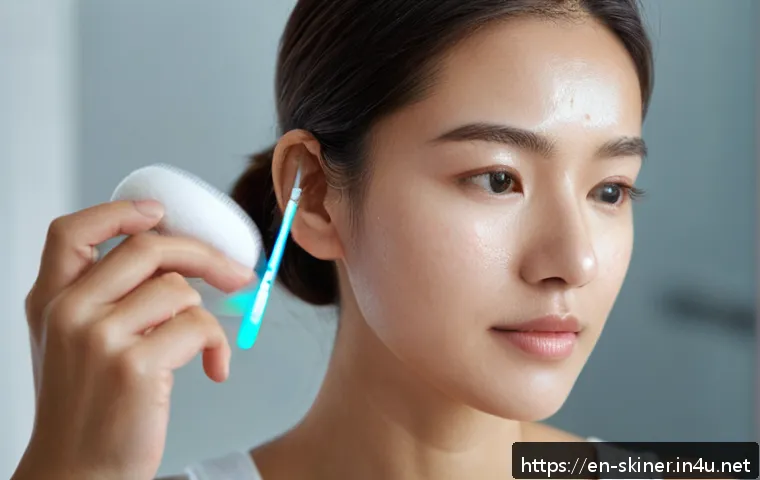
From LED masks to microcurrent gadgets, at-home skincare devices are booming. I was skeptical at first but decided to try an LED light mask designed to reduce inflammation and boost collagen.
After consistent use over a few weeks, I noticed smoother texture and less redness, which was surprising given the non-invasive nature of the device. These tools offer spa-like treatments without the hefty price tag or hassle of appointments.
They empower users to take control of their skin health with tech-enhanced convenience.

Professional Treatments Meet Consumer Tech
Many devices once exclusive to dermatologists, like microneedling pens and radiofrequency machines, now have consumer-friendly versions. Though they require careful use and sometimes guidance, these tools make advanced treatments more accessible.
I found that combining professional sessions with at-home maintenance devices delivers the best results. This hybrid approach maximizes benefits while maintaining skin safety and comfort.
Future Innovations on the Horizon
The pace of innovation in skincare tech shows no signs of slowing down. Concepts like personalized DNA-based products and AI-powered skin coaches are being explored.
Imagine a future where your skincare is custom-blended in real-time based on your genetic makeup and environmental factors. These advancements promise to make routines more efficient and results more predictable.
I’m excited to see how these trends develop and hope to share firsthand experiences as these innovations become mainstream.
Environmental Factors and Skincare Evolution
Combatting Pollution and Blue Light Damage
Urban living exposes skin to pollutants and blue light from screens, accelerating aging and irritation. Skincare brands have responded by formulating products with antioxidants and barrier-repair ingredients specifically targeting these aggressors.
I’ve started using anti-pollution serums that create a protective shield against environmental stressors, and my skin feels calmer and less reactive. Understanding how external factors affect skin health is essential for adapting routines to modern lifestyles.
Sustainable Skincare and Ethical Innovations
As awareness about environmental impact grows, sustainable and ethical skincare is becoming a priority. Many brands focus on biodegradable packaging, clean ingredient sourcing, and cruelty-free testing.
This shift aligns with my values, making me more willing to invest in products that are good for both skin and the planet. It’s inspiring to see the industry evolving not just in efficacy but also responsibility.
Seasonal Adjustments and Personalized Care
Our skin’s needs fluctuate with seasons and climate changes. I’ve learned through trial and error that adjusting my routine according to humidity, temperature, and UV exposure makes a huge difference.
Skincare innovations now include products designed for specific seasons or environments, helping maintain balance year-round. Paying attention to these subtle changes helps prevent common issues like dryness in winter or excess oil in summer.
| Era | Skincare Approach | Key Technology | Notable Ingredient/Tool | User Benefit |
|---|---|---|---|---|
| Ancient Times | Herbal remedies and rituals | Natural extraction methods | Turmeric, Aloe Vera, Green Tea | Anti-inflammatory, soothing, antioxidant effects |
| 20th Century | Mass-produced creams and serums | Chemical synthesis, stabilization | Retinol, Vitamin C | Anti-aging, brightening, collagen support |
| Early 21st Century | Personalized skincare emerges | Skin analysis apps, ingredient databases | Niacinamide, Peptides | Targeted treatment, reduced irritation |
| Current Era | AI and wearable tech integration | Machine learning, real-time sensors | Smart serums, UV sensors | Data-driven customization, proactive protection |
| Future Outlook | Genetic and environment-based personalization | DNA analysis, AI blending | Custom blends, advanced delivery systems | Maximum efficacy, tailored skincare |
Consumer Empowerment and Education in Skincare
Access to Information and Community Support
The internet and social media have revolutionized how we learn about skincare. Platforms like YouTube and Instagram host countless experts, influencers, and everyday users sharing honest reviews and tips.
I’ve found that engaging with these communities helped me avoid common pitfalls and discover hidden gems in the market. The transparency and shared experiences empower consumers to make smarter choices and demand better products.
Debunking Myths and Misconceptions
Misinformation is rampant in skincare, from miracle cure claims to ingredient scares. Taking the time to research credible sources and scientific studies has been invaluable in separating fact from fiction.
For instance, I used to avoid oils fearing breakouts, but learning about non-comedogenic oils changed my perspective and improved my skin’s hydration.
Educated consumers can advocate for their skin health rather than fall prey to marketing hype.
Building Confidence Through Routine Mastery
Once you understand your skin’s needs and how to address them, routines become less daunting and more enjoyable. I noticed that mastering a consistent regimen tailored to my skin type boosted my confidence and overall well-being.
Skincare becomes not just a task but a form of self-care. This shift in mindset, supported by accessible education and tech tools, is one of the most exciting developments in modern beauty culture.
Closing Thoughts
The fusion of technology and skincare is transforming how we care for our skin, making it more personalized and effective than ever before. By embracing innovations from AI to wearable devices, we can tailor routines that truly address our unique needs. This evolving landscape empowers everyone to take control of their skin health with confidence and convenience. I’m excited to see how these advancements continue to enhance our beauty rituals in the years ahead.
Helpful Information to Know
1. Personalized skincare tech uses data from your skin to recommend products that suit your specific concerns, reducing guesswork and waste.
2. AI-driven formulations accelerate innovation by analyzing ingredient interactions, ensuring products are both safe and effective.
3. Wearable skincare devices provide real-time monitoring, helping you respond proactively to environmental stressors like UV exposure and pollution.
4. Combining ancient herbal wisdom with modern science enhances product benefits through improved absorption and targeted delivery.
5. Staying informed about ingredient functions and product stability helps you make smarter, longer-lasting skincare choices.
Key Takeaways
Advancements in skincare technology are making personalized beauty accessible and practical. Understanding your skin’s unique needs and adapting routines accordingly can vastly improve results. Integrating holistic health practices alongside topical care supports overall skin wellness. Being a well-informed consumer allows you to navigate trends confidently and avoid ineffective or harmful products. Finally, embracing both tradition and innovation paves the way for smarter, more effective skincare in the future.
Frequently Asked Questions (FAQ) 📖
Q: How have ancient skincare practices influenced modern beauty technology?
A: Ancient skincare routines laid the foundation for today’s innovations by highlighting the importance of natural ingredients and holistic care. Remedies using herbs, oils, and minerals were not just about aesthetics but also about nurturing the skin’s health.
Modern technology builds on this wisdom by isolating active compounds and combining them with data-driven insights to create personalized treatments. So, when you use a serum powered by plant extracts and AI recommendations, you’re actually benefiting from centuries of skincare knowledge refined through cutting-edge science.
Q: What role does
A: I play in personalized skincare today? A2: AI revolutionizes personalized skincare by analyzing individual skin types, concerns, and environmental factors in real time.
Instead of a one-size-fits-all approach, AI-powered apps and devices offer tailored product suggestions and routines based on your unique data. From skin scans to tracking changes over time, this technology helps users achieve better results faster.
Personally, I’ve found that using AI tools saves me from trial and error, making my skincare routine more efficient and enjoyable.
Q: Can traditional skincare methods still be effective alongside modern technology?
A: Absolutely! Traditional methods and modern technology complement each other beautifully. Many timeless techniques—like facial massage, double cleansing, and herbal infusions—enhance the effectiveness of advanced formulations.
Integrating these practices into your routine can improve absorption and promote relaxation, which is vital for skin health. From my experience, blending old and new approaches creates a balanced routine that feels both nurturing and innovative, giving you the best of both worlds.