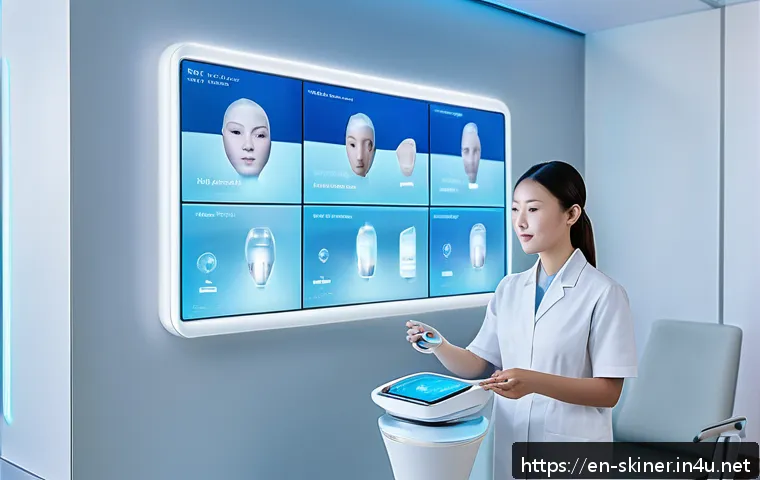
With the rise of smart technology and AI, personalized skincare is no longer just a trend but a game-changer in beauty routines worldwide. More than ever, clients expect treatments tailored specifically to their unique skin needs, and data-driven insights are making this possible like never before.
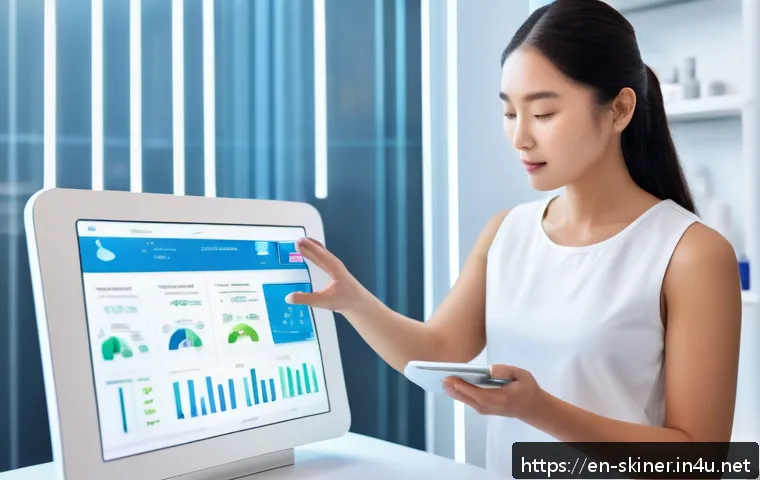
From analyzing skin types to predicting future concerns, technology is transforming how skincare professionals customize solutions. If you’ve ever wondered how your skincare regimen can evolve beyond generic products, you’re in the right place.
Let’s dive into how data is revolutionizing personalized skincare treatments and what that means for your glowing, healthy skin.
Unlocking Skin Secrets Through Advanced Data Collection
Dynamic Skin Profiling: Beyond Basic Types
When I first started using data-driven tools in skincare, I realized that simply labeling skin as “dry,” “oily,” or “combination” is far too simplistic.
Advanced profiling collects real-time data points like hydration levels, sebum production, elasticity, and sensitivity triggers. This means each client’s skin portrait becomes a living document, constantly updated with subtle changes.
For example, a client who seemed oily last month might show dehydration signs now due to environmental shifts or lifestyle changes. It’s this dynamic approach that allows treatments to evolve alongside the skin, rather than sticking rigidly to outdated categorizations.
Integrating Lifestyle and Environmental Factors
Skin doesn’t exist in a vacuum. Data collection now integrates factors like UV exposure, pollution levels, sleep quality, and stress indicators. I’ve seen firsthand how clients who track their daily habits alongside their skin data get more meaningful recommendations.
For instance, someone working long hours in dry office air benefits from targeted hydration boosts, while urban dwellers facing pollution need antioxidant-rich formulations.
This holistic data blend ensures that skincare isn’t just reactive but proactively anticipates future challenges.
Machine Learning for Predictive Skin Health
The real game-changer is predictive analytics powered by AI. By analyzing historical skin data combined with lifestyle inputs, machine learning models forecast potential issues before they surface.
From predicting early signs of aging to spotting upcoming breakouts, these insights allow skincare professionals to intervene early with customized treatments.
I’ve personally experienced how this predictive edge transformed a client’s routine, preventing stubborn acne flare-ups that would have otherwise taken weeks to control.
Customized Formulations: The Science of Tailored Ingredients
Data-Driven Ingredient Selection
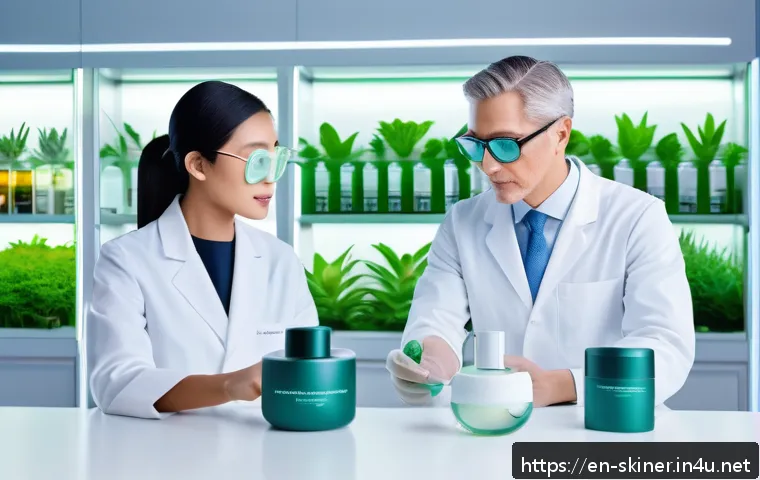
Personalized skincare isn’t just about knowing what your skin is like today; it’s about selecting ingredients that work synergistically with your unique biology.
Using data analytics, I tailor formulations that consider allergies, sensitivities, and even genetic markers. For example, some clients benefit greatly from niacinamide and ceramides, while others need gentler botanicals due to reactive skin types.
The beauty of this approach is that it avoids the trial-and-error phase, saving time and frustration.
Adjusting Concentrations for Maximum Efficacy
Another layer of customization is adjusting ingredient concentrations based on data feedback. I’ve noticed that clients with compromised skin barriers respond better to lower-strength actives initially, gradually increasing as their skin fortifies.
Data allows me to fine-tune these levels precisely, optimizing results without triggering irritation. This gradual, data-guided ramp-up is crucial for sensitive or aging skin.
Combining Traditional and High-Tech Ingredients
Interestingly, data also reveals when to blend classic skincare ingredients with cutting-edge actives. For example, combining proven antioxidants like vitamin C with new peptides or growth factors can amplify results.
Personalized data helps determine the ideal balance, ensuring the skin receives both nourishment and advanced repair mechanisms without overload.
Real-Time Monitoring and Adaptive Treatment Plans
Wearable Tech and Skin Sensors
The integration of wearable devices that monitor skin conditions throughout the day has been a revelation. These sensors track hydration, UV exposure, and even pH changes, feeding continuous data back to skincare professionals.
I’ve worked with clients who adjust their treatments based on sensor alerts, like adding extra moisturizer on dry days or increasing SPF application when UV levels spike.
This level of responsiveness is a massive leap from static skincare routines.
Feedback Loops for Continuous Improvement
Data-driven skincare thrives on feedback loops. After each treatment or product use, clients submit data or photos, which we analyze to tweak the regimen.
I’ve noticed that this iterative process builds trust and engagement, as clients feel their unique skin needs are genuinely understood and addressed. Plus, it enables rapid course corrections if something isn’t working, preventing wasted time and expense.
Personalized Scheduling for Optimal Results
One often overlooked benefit of data is customizing treatment frequency. Rather than recommending a one-size-fits-all monthly facial, data helps determine if a client needs weekly sessions during flare-ups or can maintain skin health with less frequent visits.
This precision scheduling not only maximizes results but also fits better into clients’ busy lives, increasing satisfaction and adherence.
Enhancing Client Experience Through Data Transparency
Visualizing Skin Progress
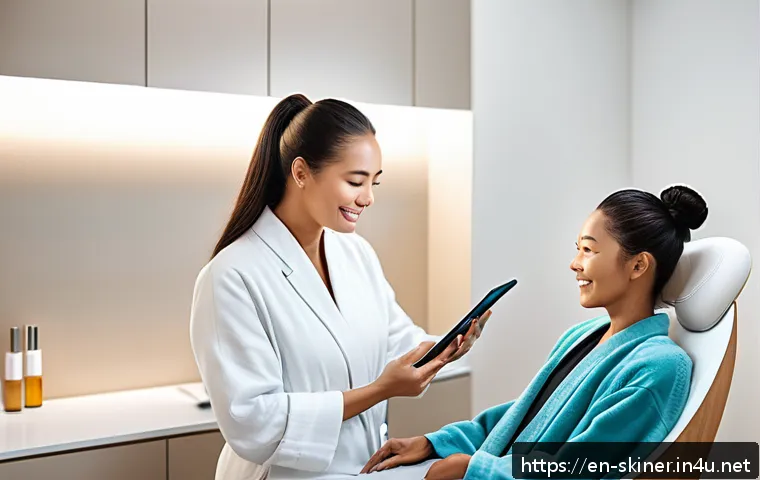
Clients love seeing their progress in clear, visual formats. Data dashboards with before-and-after comparisons, hydration maps, or wrinkle depth charts make the invisible visible.
I’ve found that sharing these visuals during consultations boosts motivation and commitment to the regimen. It’s rewarding to see clients light up when they realize how much their skin has improved thanks to personalized care.
Empowering Clients with Knowledge
Transparency about what data is collected and how it’s used helps clients feel empowered rather than overwhelmed. I always explain the purpose behind each test or sensor reading, demystifying the technology.
When clients understand how specific ingredients or treatments relate to their data, they’re more confident in the process and more likely to follow recommendations diligently.
Building Long-Term Relationships
Data-driven personalization fosters deeper client relationships. Because every recommendation is backed by tangible insights, clients trust that their care is tailored, thoughtful, and evidence-based.
I’ve built lasting connections with clients who appreciate this commitment to individualized attention, which naturally leads to higher retention and referrals.
Data Privacy and Ethical Considerations in Skincare
Protecting Sensitive Skin Information
Handling personal skin data requires strict privacy protocols. I make sure that client data is stored securely and only accessed with permission. Transparency about data use builds trust and reassures clients their sensitive information won’t be shared improperly.
This ethical stance is essential in an age where privacy concerns are paramount.
Consent and Data Ownership
Clear communication about consent is crucial. Clients should know what data is collected, how it’s processed, and that they have full ownership. I always provide options for opting out or deleting data, emphasizing that personalized care is a partnership built on respect and autonomy.
Balancing Innovation with Responsibility
While the tech behind personalized skincare is exciting, professionals must balance innovation with responsibility. I stay informed about evolving regulations and ethical standards to ensure that the drive for customization never compromises client rights or well-being.
Comparing Traditional vs. Data-Driven Personalized Skincare
| Aspect | Traditional Skincare | Data-Driven Personalized Skincare |
|---|---|---|
| Skin Analysis | Basic visual and touch assessment | Real-time biometric data, lifestyle integration, AI predictions |
| Product Selection | General product lines based on skin type | Customized formulations tailored to unique skin profile and genetics |
| Treatment Adjustments | Periodic, based on visible changes | Continuous monitoring and adaptive regimen modifications |
| Client Engagement | Standard check-ins and consultations | Data transparency, progress tracking, interactive feedback loops |
| Privacy | Minimal data collection | Extensive data with strict security and consent protocols |
Future Directions: What’s Next for Data-Driven Skincare?
Integration with Genomic Data
Looking ahead, integrating genetic information will deepen personalization. I’ve started exploring how clients’ DNA profiles can predict tendencies toward pigmentation, collagen breakdown, or sensitivity, allowing even more precise targeting.
This genomic layer will complement existing data, creating truly bespoke skincare blueprints.
AI-Powered Virtual Consultations
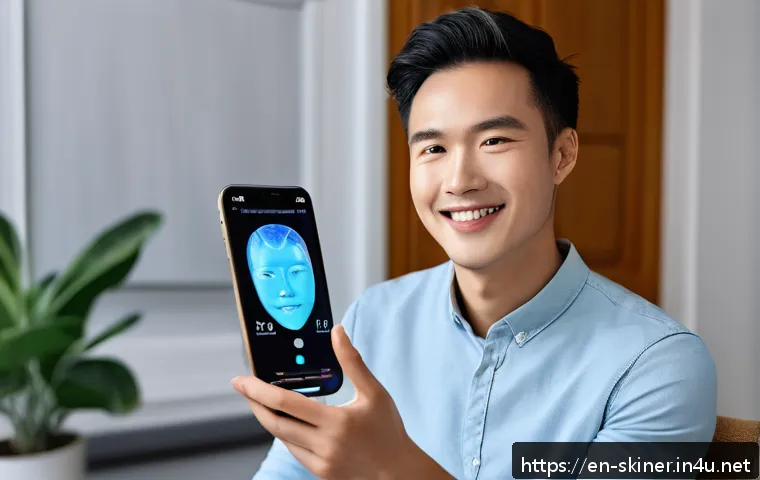
Virtual consultations powered by AI will become more sophisticated, enabling real-time skin assessments through smartphone cameras. I’ve tested some early versions where AI suggests personalized routines instantly, saving time and expanding access to expert care worldwide.
Sustainability Through Data Efficiency
Data-driven personalization also supports sustainability by minimizing product waste and avoiding unnecessary treatments. Tailoring exactly what the skin needs reduces overconsumption, aligning beauty routines with eco-conscious values.
This is a win-win for clients and the planet alike.
Closing Thoughts
Embracing data-driven skincare opens a new chapter in personalized beauty, where treatments evolve alongside your unique skin needs. This approach not only enhances effectiveness but also empowers individuals to take control of their skin health with confidence. As technology advances, the fusion of science and care promises even more tailored solutions for every skin journey.
Helpful Information to Know
1. Personalized skincare relies on continuous data collection, making skin care adaptive rather than static.
2. Lifestyle and environmental factors play a crucial role in skin health and should be integrated into any regimen.
3. AI and machine learning can predict future skin issues, allowing for proactive treatment adjustments.
4. Transparency about data use and client consent builds trust and enhances the client-professional relationship.
5. Sustainable skincare benefits from data efficiency by reducing unnecessary products and waste.
Key Takeaways
Data-driven skincare transforms traditional routines by offering real-time, personalized insights that adapt with your skin’s changing needs. Integrating lifestyle and genetic information ensures treatments are both effective and respectful of individual differences. Maintaining strict privacy and ethical standards is essential to foster trust and responsible innovation. Ultimately, this approach creates a more engaging, responsive, and sustainable skincare experience tailored just for you.
Frequently Asked Questions (FAQ) 📖
Q: How does
A: I improve the accuracy of personalized skincare treatments? A1: AI enhances skincare accuracy by analyzing vast amounts of data from your skin type, environmental factors, and lifestyle habits.
Unlike traditional methods, AI can identify subtle patterns and potential future concerns, allowing for highly tailored recommendations. From my experience, using AI-driven skin analysis tools helped me pinpoint issues I wasn’t even aware of, leading to more effective product choices and visible improvements in my skin’s texture and clarity.
Q: Can personalized skincare powered by data actually prevent future skin problems?
A: Absolutely. Data-driven skincare doesn’t just react to current conditions—it predicts potential issues before they fully develop. By continuously monitoring changes in your skin and external factors like UV exposure or humidity, these systems suggest proactive treatments.
I’ve seen this firsthand when a customized regimen helped me avoid breakouts during stressful periods, something generic products never managed to do consistently.
Q: Are personalized skincare treatments more expensive than regular products, and are they worth it?
A: Initially, personalized treatments may seem pricier due to the technology and customization involved. However, they often save money in the long run by targeting your exact needs, reducing wasted products and ineffective routines.
From what I’ve noticed, investing in personalized skincare feels like getting a custom-tailored solution instead of a one-size-fits-all approach, which makes a huge difference in both results and satisfaction.