In today’s fast-paced world, creating a calming and inviting clinic atmosphere is more important than ever for client satisfaction and loyalty. With wellness trends on the rise, patients now expect more than just expert skincare—they crave an experience that soothes both body and mind.
I’ve noticed firsthand how subtle changes in ambiance can transform client moods and even improve treatment outcomes. Whether you’re running a bustling urban spa or a cozy neighborhood clinic, enhancing your space can set you apart in a competitive market.
Let’s dive into practical, expert tips that will help you elevate comfort and boost the success of your skincare services.
Crafting a Sensory Sanctuary for Your Clients
Choosing the Right Lighting to Enhance Relaxation
Soft, warm lighting can completely shift the vibe of your clinic, making it feel like a true sanctuary. From my experience, harsh fluorescent lights often heighten stress rather than ease it.
I recommend investing in adjustable LED lights or using dimmable lamps that allow you to tailor brightness depending on the time of day or treatment being performed.
Incorporating candles or salt lamps in waiting areas can also add a subtle glow that feels cozy and welcoming. These small tweaks not only calm the nerves but also encourage clients to linger longer, which is a win-win for both comfort and business.
Incorporating Natural Elements to Boost Mood
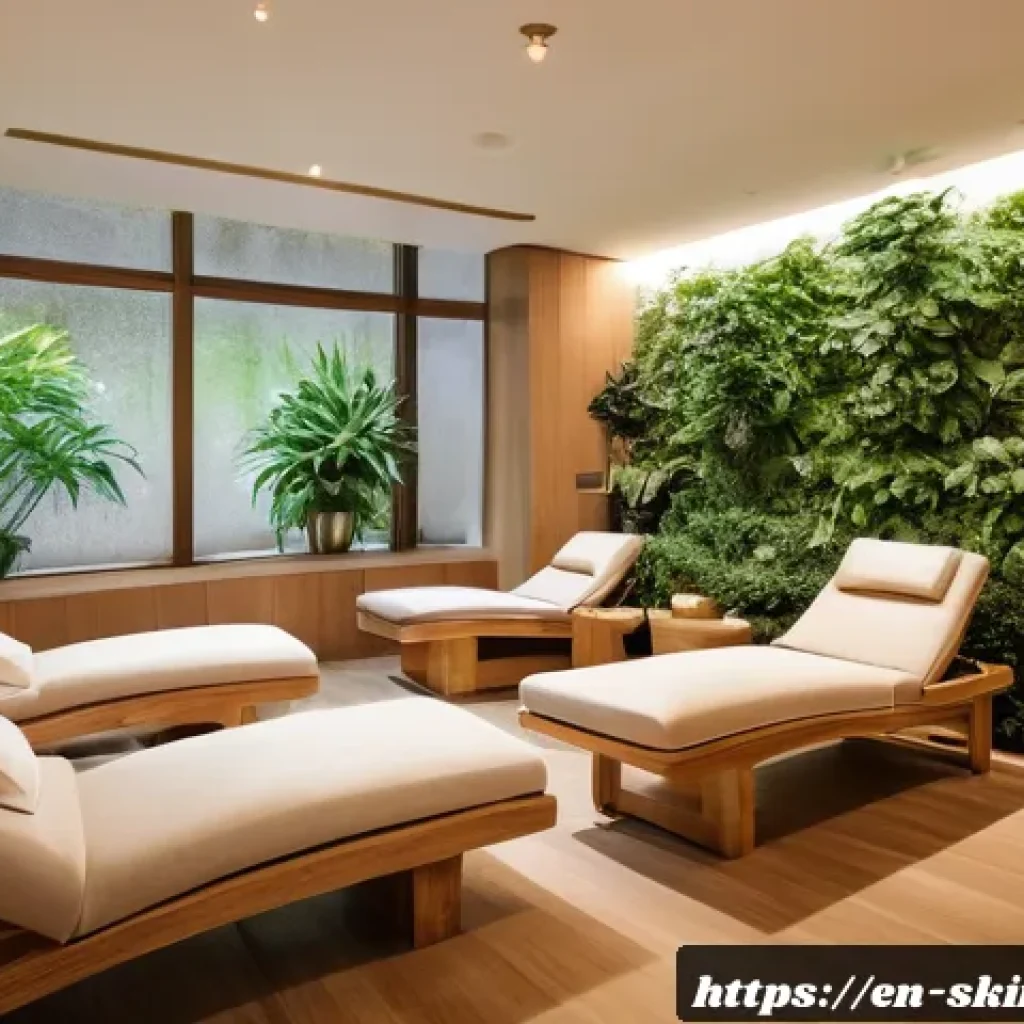
Bringing nature inside isn’t just a trendy idea—it genuinely affects how people feel. I’ve noticed that clients respond positively when clinics integrate plants, natural wood textures, or even a small water fountain.
Plants improve air quality and create a calming green backdrop that reduces anxiety. Try using eucalyptus or lavender as part of your decor or aromatherapy; their scents are known to relax both the mind and body.
Beyond aesthetics, these elements create a multisensory experience that clients subconsciously associate with wellness and rejuvenation.
The Power of Soundscapes in a Busy Clinic
Background music or nature sounds can dramatically alter the clinic’s atmosphere. I always suggest curating playlists that feature gentle instrumental music, soft piano, or nature sounds like ocean waves or forest birds.
Avoid anything too upbeat or lyrical, as that can be distracting. When treatments require deep relaxation, silence or very low-volume soundscapes work best.
I’ve found that clients often comment on how the sound environment helped them unwind, making their overall experience more memorable and pleasant.
Optimizing Comfort Through Thoughtful Layout and Furniture
Ergonomic Seating That Invites Rest
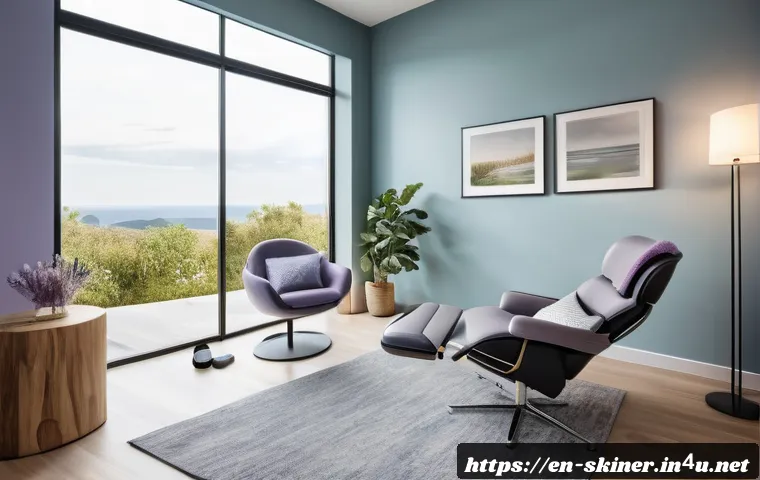
Comfort starts with the furniture. It’s tempting to choose sleek, stylish chairs, but if clients feel uncomfortable, it’s a missed opportunity. I’ve invested in ergonomic chairs that support posture without sacrificing style, and it made a noticeable difference in how long clients are willing to wait or relax before their treatment.
Consider adding plush cushions or blankets for added coziness. Even small touches like footrests can improve physical comfort, especially for longer procedures.
Creating Distinct Zones for Privacy and Socializing
Balancing openness with privacy is key. In my clinic, separating the waiting area from treatment rooms with partitions or plants helps clients feel more secure and less exposed.
Meanwhile, a small social nook with magazines and refreshments encourages casual interaction without overwhelming those seeking quiet. This zoning makes the space feel thoughtfully designed rather than chaotic, which clients really appreciate.
Smart Storage Solutions to Maintain a Clutter-Free Space
Clutter can subtly undermine the calming atmosphere you’re working so hard to build. I learned the hard way that visible product boxes or tangled cords disrupt the flow and distract clients.
Installing hidden cabinets and using trays or baskets for tools keeps everything neat and easily accessible. Not only does this streamline your workflow, but it also signals professionalism and attention to detail, reinforcing client trust.
Enhancing Client Experience with Personal Touches
Customized Welcome Rituals That Set the Tone
A warm greeting and small rituals can instantly make clients feel valued. When I started offering a choice of herbal teas or infused water upon arrival, it was a game-changer.
Pairing this with a quick consultation about their mood or skin goals personalizes the experience right from the start. These moments of connection build rapport and often lead to better client retention.
Thoughtful Amenities That Surprise and Delight
Little extras matter more than you might think. Providing cozy slippers, soothing eye masks, or even a small take-home sample of a product used during treatment makes clients feel pampered.
I’ve had many clients express how these gestures made their visit feel special and memorable, which encourages positive reviews and word-of-mouth referrals.
Feedback Loops to Continuously Improve Ambiance
Engaging clients for feedback about the atmosphere helps you stay aligned with their preferences. I use quick surveys or casual conversations to gather insights on lighting, music, scents, and overall comfort.
This ongoing dialogue not only shows that you care but also uncovers small details that can elevate the experience even further.
Utilizing Aromatherapy and Air Quality for Holistic Wellness
Choosing Scents That Complement Treatments
Not all scents work well with every service, so selecting appropriate aromas is crucial. I’ve found lavender and chamomile perfect for calming facials, while peppermint and eucalyptus invigorate during massage sessions.
Using essential oil diffusers with adjustable settings lets you customize the scent intensity to suit client sensitivity and treatment duration.
Maintaining Fresh, Clean Air for Health and Comfort
Air quality impacts both client comfort and skin health. Installing air purifiers and regularly ventilating the space helps reduce allergens and odors.
In my clinic, this practice has noticeably improved client satisfaction, especially for those with sensitive skin or respiratory issues. Clean air contributes to a perception of professionalism and care that clients truly notice.
Integrating Aromatherapy into Treatment Protocols
Beyond ambient scenting, incorporating aromatherapy directly into treatments adds an extra layer of relaxation. For instance, I use essential oil blends during facial massages or steam treatments to enhance therapeutic effects.
Clients often tell me how these subtle scents help them feel more grounded and pampered, creating a memorable sensory experience.
Technology Integration to Elevate Client Comfort and Efficiency
Smart Scheduling and Notifications
Streamlining appointments with smart scheduling software reduces wait times and stress. I implemented automated reminders and easy rescheduling options, which clients appreciate for their convenience.
A smooth booking experience sets a positive tone even before clients arrive.
Contactless Check-In and Payment Systems
Especially in today’s environment, contactless options are a big plus. Offering digital check-in and mobile payment reduces physical contact and speeds up the process.
Clients often mention how these features make the visit feel modern and hassle-free.
Integrating Soothing Visuals and Virtual Reality
Some clinics are experimenting with VR headsets or calming visuals projected on walls to help clients relax during treatments. While I haven’t fully adopted VR yet, using nature-themed digital displays has enhanced the ambiance and distracted clients pleasantly during longer sessions.
Balancing Cleanliness with a Warm, Inviting Feel
Using Soothing Colors to Offset Clinical Sterility
White walls and sterile environments are standard but can feel cold and uninviting. I’ve found that incorporating soft pastels, muted earth tones, or subtle wallpaper patterns adds warmth without compromising cleanliness.
These colors help clients relax and feel more at home.
Implementing Visible Cleanliness Practices
Clients want to feel safe and cared for, so transparency about hygiene is key. I display hand sanitizer stations, visibly clean tools between sessions, and keep surfaces spotless.
This not only builds trust but reassures clients that their health is a priority.
Choosing Materials That Are Both Hygienic and Comfortable
Selecting upholstery and flooring that are easy to clean yet comfortable is a balancing act. I recommend vinyl or leather-like materials with soft finishes for seating—durable and sanitary but still welcoming.
This practical approach ensures the clinic stays inviting and safe.
| Clinic Atmosphere Element | Recommended Features | Client Benefits | Implementation Tips |
|---|---|---|---|
| Lighting | Adjustable LED, dimmable lamps, candles | Calming mood, reduces stress, extends stay duration | Use warm tones, avoid harsh fluorescents, layer lighting |
| Natural Elements | Indoor plants, wood textures, water fountains | Improved air quality, calming visuals, stress reduction | Choose low-maintenance plants, place near seating areas |
| Soundscapes | Instrumental music, nature sounds, silence options | Enhances relaxation, masks clinic noise, improves focus | Create playlists, adjust volume per treatment |
| Comfort Furniture | Ergonomic chairs, cushions, footrests | Physical comfort, longer client visits, positive reviews | Test seating, add personal comfort items |
| Aromatherapy | Essential oil diffusers, scent-specific blends | Enhances mood, complements treatments, sensory appeal | Match scents to treatments, control intensity |
| Cleanliness | Visible sanitation, hygienic materials | Client trust, health safety, professional image | Regular cleaning schedule, transparent hygiene practices |
Encouraging Client Engagement Through Thoughtful Environment Design
Inviting Waiting Areas That Promote Calm
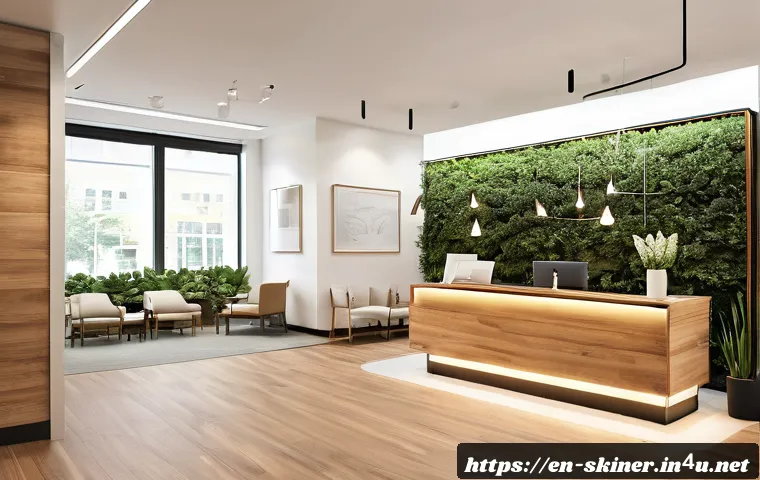
A welcoming waiting room sets the tone before any treatment begins. I’ve found that arranging seating in small clusters rather than rows encourages a relaxed social vibe without overwhelming quieter clients.
Offering a variety of reading materials and charging stations also shows you care about client needs beyond the treatment itself.
Interactive Displays and Product Showcases
Clients love to explore products, but cluttered shelves can be off-putting. Instead, I design minimalist product displays that invite touch and inquiry without feeling salesy.
Interactive digital screens that explain product benefits or treatment options can also engage curious clients and boost upselling naturally.
Personalized Touchpoints Throughout the Clinic
From name tags on treatment rooms to personalized thank-you notes, small details create a memorable experience. I always try to remember client preferences and mention them casually during visits.
This personalized approach makes clients feel seen and valued, which encourages loyalty and repeat visits.
In Conclusion
Creating a sensory sanctuary in your clinic is more than just decoration—it’s about crafting an experience that truly nurtures your clients’ well-being. Thoughtful attention to lighting, natural elements, sound, and comfort can transform the atmosphere into a relaxing retreat. Personal touches and technology integration further elevate client satisfaction and loyalty. By focusing on these details, your clinic becomes a place where clients feel valued, calm, and eager to return.
Useful Tips to Remember
1. Adjust lighting to create a warm, inviting environment that adapts to different treatments and times of day.
2. Incorporate natural elements like plants and soothing scents to improve mood and air quality.
3. Use soundscapes thoughtfully—opt for gentle music or nature sounds that enhance relaxation without distraction.
4. Prioritize ergonomic and comfortable furniture to encourage longer visits and positive client experiences.
5. Maintain visible cleanliness and hygiene to build trust and promote a professional image.
Key Takeaways
Designing a clinic environment that balances professionalism with warmth is essential for client comfort and retention. Investing in adjustable lighting, natural decor, and sound control creates a calming atmosphere. Ergonomic furniture and clear zoning improve physical comfort and privacy, while personalized amenities and feedback loops deepen client engagement. Incorporating aromatherapy and maintaining fresh air enhance holistic wellness, and smart technology streamlines operations, making visits effortless and enjoyable. Above all, transparent cleanliness practices and thoughtful material choices reinforce trust and safety, ensuring clients feel cared for every step of the way.
Frequently Asked Questions (FAQ) 📖
Q: How can I create a calming atmosphere in my clinic without a big budget?
A: You’d be surprised how small, thoughtful changes can make a huge difference. Start by decluttering the space—clean, open areas instantly feel more peaceful.
Use soft, warm lighting instead of harsh fluorescents; even simple lamps or dimmable bulbs work wonders. Incorporate soothing scents like lavender or eucalyptus through essential oil diffusers, but keep them subtle to avoid overwhelming clients.
Playing gentle background music or nature sounds can also relax visitors. These tweaks don’t require major investment but can dramatically improve the overall vibe.
Q: What role does clinic ambiance play in client satisfaction and treatment effectiveness?
A: From my experience, ambiance goes beyond aesthetics—it directly influences how clients feel during their visit. A calming environment lowers stress and anxiety, which helps patients be more receptive to treatments.
When clients feel comfortable and cared for, they’re more likely to trust your expertise and follow post-care instructions, leading to better outcomes.
Plus, a welcoming atmosphere encourages repeat visits and positive word-of-mouth, boosting your clinic’s reputation and success.
Q: How can I personalize the clinic atmosphere to match my brand and client needs?
A: The key is to reflect your clinic’s identity while prioritizing client comfort. If your brand is modern and sleek, opt for clean lines, neutral colors, and minimalist decor.
For a cozy, homey feel, choose warm tones, plush seating, and natural materials like wood or stone. Consider your typical client’s preferences—busy professionals might appreciate a quiet, serene space, while younger clients may enjoy trendy, vibrant elements.
Don’t hesitate to gather feedback from clients about the atmosphere; their insights can guide you in fine-tuning the environment to make everyone feel welcome and valued.