Nailing the practical skincare exam can be a game-changer for anyone pursuing a career in beauty or wellness. Yet, it’s easy to stumble over small mistakes that can cost you valuable points and confidence.
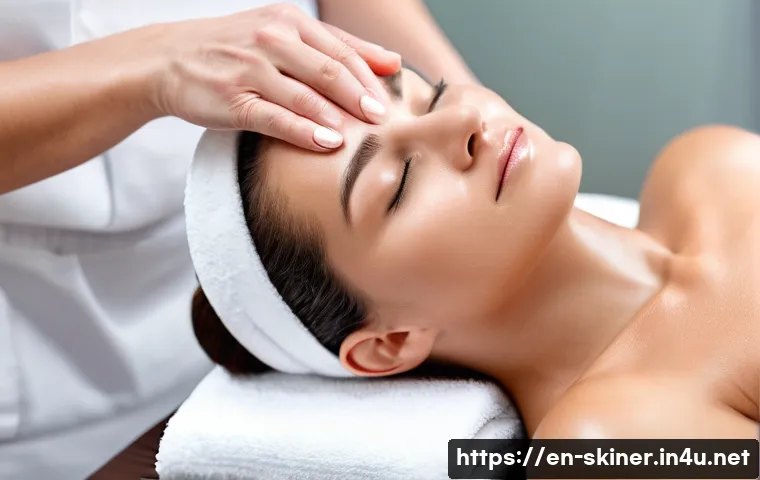
From improper technique to overlooking client comfort, these slip-ups often sneak in when least expected. Understanding where candidates commonly go wrong helps you prepare smarter and perform smoother on test day.
I’ve seen firsthand how a little extra attention to detail can make all the difference. Let’s dive into the key tips that will help you avoid these pitfalls and shine during your practical exam!
Mastering Client Communication and Comfort
Reading Client Needs Accurately
One of the most overlooked areas in practical skincare exams is how well you understand and respond to your client’s needs. It’s not just about following a checklist; it’s about tuning into subtle cues like skin sensitivity, reactions during treatments, and verbal feedback.
In my experience, candidates who take a moment to ask clear, thoughtful questions before starting the procedure tend to avoid unnecessary errors and create a more relaxed environment.
This also shows examiners that you’re confident and client-focused, which can really boost your overall impression.
Maintaining a Calm and Reassuring Demeanor
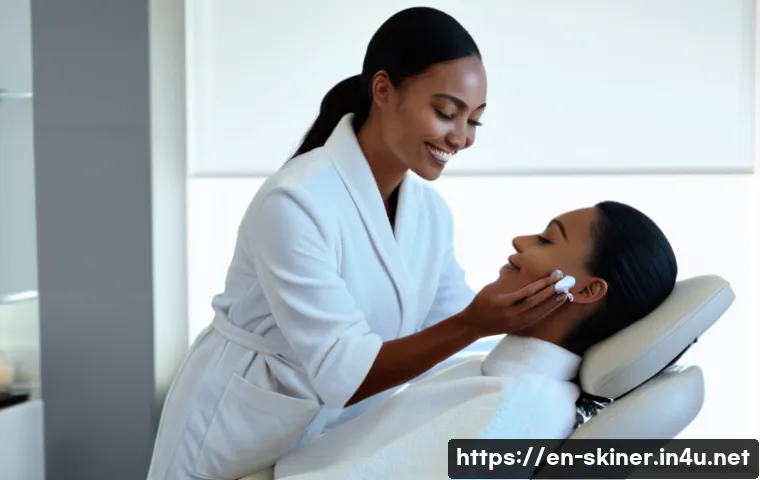
Nerves can run high during a practical test, but keeping your tone calm and your gestures gentle goes a long way. I’ve noticed that candidates who talk clients through each step, explaining what’s happening and why, help reduce tension for both themselves and the “client.” This kind of communication reassures the client and demonstrates professionalism.
Even small things like smiling or maintaining eye contact while performing treatments can elevate your performance and make the entire process smoother.
Ensuring Client Comfort Throughout the Procedure
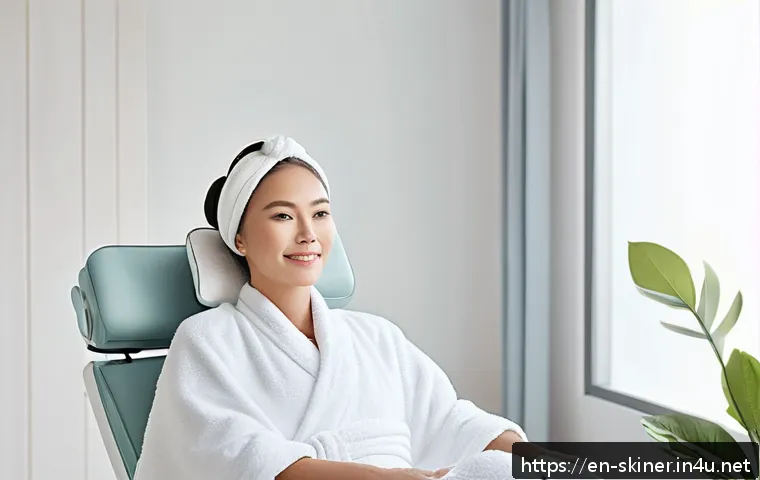
Comfort isn’t just about physical ease; it’s about emotional reassurance, too. Adjusting pressure during massages, checking in on temperature when using warm towels or devices, and offering breaks if the client looks uneasy are all vital.
From my perspective, failing to do this can quickly knock down your score because it shows a lack of awareness and empathy. Remember, a client who feels cared for is more likely to respond positively, which reflects well on your skills.
Perfecting Hands-On Technique and Precision
Mastering Clean and Controlled Movements
The practical exam judges not only the outcome but how you get there. Smooth, deliberate movements signal control and expertise, while rushed or shaky hands can raise red flags.
When I practiced, I focused on slowing down my motions to maintain precision without sacrificing time. This balance is tricky but crucial. It’s better to be methodical than to rush through and make sloppy errors, especially with techniques like extraction or massage strokes.
Proper Use and Handling of Tools
Knowing your equipment inside and out is a game-changer. Whether it’s a steamer, extraction tool, or brush, understanding how to operate and sanitize each item confidently makes a huge difference.
During my exam, I made sure to practice setting up and putting away tools efficiently to avoid fumbling. Mishandling or incorrectly using tools often leads to point deductions, so investing time in this area beforehand pays off big time.
Adhering to Step-by-Step Protocols Without Skipping
Following the procedure flow exactly as taught is critical. Sometimes, candidates get overconfident and skip what seems like minor steps, but examiners notice.
I learned that even small things like applying toner before moisturizer or thoroughly cleansing each area matter a lot. A consistent, methodical approach reassures the examiner that you understand the full process and respect the protocol, which ultimately impacts your score positively.
Sanitation and Hygiene: Non-Negotiable Essentials
Thorough Handwashing and Glove Use
Clean hands are your first line of defense against contamination. Many candidates underestimate the importance of washing hands properly before and after client contact.
I found that setting a mental checklist for when to sanitize or change gloves helped me stay on track without missing a beat. Remember, examiners are keenly observing hygiene practices, so sloppy habits here can be costly.
Disinfecting Equipment and Work Surfaces
Keeping your workspace spotless isn’t just about appearance; it’s about safety and professionalism. I made it a habit to wipe down all surfaces and tools before starting and after finishing each client.
This not only prevents cross-contamination but also signals to the examiner that you prioritize client health. Cutting corners in this area can result in severe penalties, so it’s worth practicing these routines until they become second nature.
Proper Disposal of Waste Materials
Knowing how to dispose of cotton pads, tissues, and other single-use items correctly is another key detail. I noticed some test takers get distracted and toss things carelessly, which examiners notice immediately.
Having a designated bin close at hand and using it consistently keeps the area clean and shows your commitment to hygiene standards.
Time Management Without Sacrificing Quality
Balancing Speed with Thoroughness
One of the hardest things in a timed practical exam is delivering a thorough treatment without dragging on. From my experience, practicing with a timer helped me find a comfortable pace that allowed for attention to detail without rushing.
It’s tempting to speed through steps to finish early, but this often leads to missed details or sloppy technique, which can hurt your score more than a slightly longer time.
Prioritizing Critical Steps Under Pressure
Sometimes, you might feel pressed for time during the exam. Knowing which steps are absolutely essential and which can be slightly abbreviated without compromising the procedure is a skill I developed through mock exams.
For example, thorough cleansing and extraction are must-dos, while certain massages or treatments can be adapted slightly if time is tight. This strategic thinking helps maintain quality under pressure.
Using Breaks Wisely to Reset Focus
If the exam allows for short breaks or pauses, using them strategically can prevent burnout and mistakes. I found that taking a brief moment to breathe, wipe my hands, or organize tools mid-way helped me refocus and perform better in the next phase.
Staying mentally sharp is as important as physical technique, so don’t overlook this simple but effective tactic.
Understanding Skin Types and Conditions Accurately
Identifying Key Skin Characteristics Quickly
Recognizing whether skin is oily, dry, combination, sensitive, or acne-prone right from the start guides your treatment choices. I noticed that candidates who hesitate or guess often apply incorrect products or techniques, which examiners spot easily.
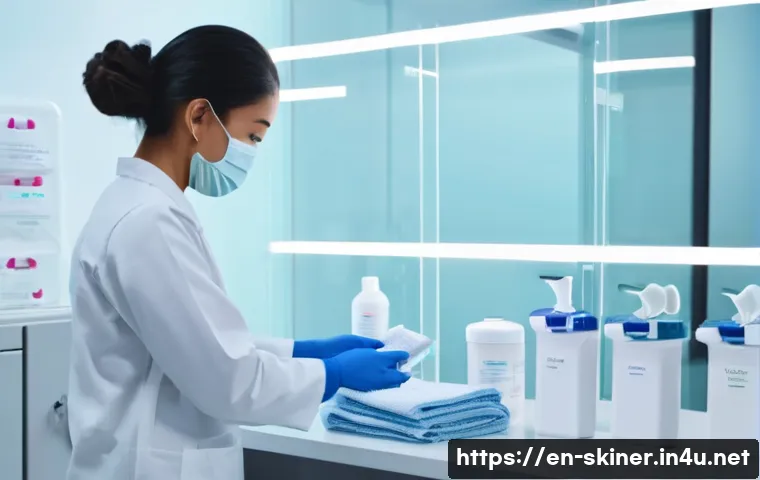
Practicing quick skin assessments on friends or family before the exam builds confidence and sharpens your diagnostic eye.
Adapting Products and Methods Accordingly
Once you identify the skin type, tailoring your approach is crucial. For instance, using heavy creams on oily skin or abrasive scrubs on sensitive skin can cause issues.
I always made notes on product benefits and contraindications to avoid mistakes. This adaptability not only protects the client’s skin but also demonstrates your expertise and professionalism.
Recognizing Contraindications and Knowing When to Adjust
Some skin conditions require modifications or even halting certain treatments. Knowing common contraindications like active infections, eczema flare-ups, or sunburn is essential.
During my preparation, I reviewed scenarios where adjustments were needed and practiced explaining those decisions clearly. This awareness protects client safety and impresses examiners with your sound judgment.
Effective Product Knowledge and Application
Choosing the Right Products for Each Procedure
Product selection is more than just picking what’s available; it’s about matching ingredients and formulations to client needs. I found that memorizing key product categories and their functions—like exfoliants, moisturizers, serums—helped me make smart choices on the spot.
This knowledge shows depth and gives you confidence during the exam.
Applying Products with Proper Amount and Technique
Applying too much product can overwhelm the skin, while too little may not deliver benefits. Getting this balance right is a skill honed through repetition.
I practiced measuring and spreading products evenly using appropriate tools like spatulas or brushes. This precision enhances treatment efficacy and showcases your attention to detail.
Understanding Product Interactions and Layering
Some products don’t mix well or should be layered in a specific order. Knowing this prevents adverse reactions and maximizes results. During my studies, I created charts to visualize which ingredients complement or conflict with each other.
This preparation helped me confidently explain my choices and execute the treatment seamlessly.
| Common Practical Exam Mistakes | Impact on Score | How to Avoid |
|---|---|---|
| Ignoring Client Feedback | High | Ask questions, observe reactions, adjust pressure |
| Rushing Through Steps | Medium to High | Practice timed routines, focus on accuracy over speed |
| Poor Hygiene Practices | High | Follow strict handwashing, sanitize tools/workspace |
| Misidentifying Skin Type | Medium | Train skin analysis skills, study skin conditions |
| Incorrect Product Use | Medium | Understand product functions, apply correct amounts |
| Tool Mishandling | Medium to High | Practice equipment operation and storage |
Maintaining Professionalism Under Exam Pressure
Projecting Confidence Without Arrogance
Confidence can be a fine line. From my perspective, being sure of your skills while staying humble creates a positive vibe. I made it a point to speak clearly, avoid filler words, and maintain good posture.
This made me feel more in control and reassured the examiner that I was capable and grounded.
Handling Unexpected Situations Calmly
Sometimes things don’t go as planned—product spills, client reactions, or equipment glitches. Staying calm and adapting on the fly is crucial. I practiced scenarios where I had to think quickly and keep composure, which paid off big during my exam.
Examiners appreciate candidates who can troubleshoot calmly rather than panic.
Demonstrating Respect and Courtesy Throughout
Small gestures like thanking the client, respecting personal space, and cleaning up thoroughly show professionalism beyond technical skill. I always ended my practice sessions by tidying the area and offering polite farewells.
These details leave a lasting positive impression and reflect well on your overall demeanor.
Conclusion
Mastering client communication, precise techniques, and strict hygiene are the pillars of success in practical skincare exams. These skills not only elevate your performance but also build trust with your clients and examiners alike. By staying calm, attentive, and professional, you can confidently navigate any challenges during the test. Remember, preparation and adaptability are your best allies on exam day.
Useful Tips to Keep in Mind
1. Always ask clear questions to understand your client’s skin and comfort needs before starting the treatment.
2. Practice slow, controlled movements to maintain precision without rushing through the procedure.
3. Develop a consistent hygiene routine including thorough handwashing and sanitizing tools to avoid penalties.
4. Train yourself to quickly identify skin types and adjust your products and methods accordingly.
5. Use breaks wisely to reset your focus and maintain steady performance throughout the exam.
Key Takeaways for Exam Success
Effective communication and empathy are just as important as technical skills in skincare practical exams. Maintaining a calm demeanor and following protocols precisely demonstrates professionalism and builds examiner confidence. Prioritizing hygiene and sanitation protects both client and yourself, while strong time management ensures quality without feeling rushed. Lastly, knowing your products and skin types inside out allows you to adapt treatments safely and efficiently. Focusing on these core areas will help you achieve a high score and leave a lasting positive impression.
Frequently Asked Questions (FAQ) 📖
Q: What are the most common mistakes candidates make during the practical skincare exam?
A: Many candidates struggle with improper technique, such as applying products too harshly or unevenly, which can affect client comfort and the overall outcome.
Others might forget to sanitize tools properly or skip essential steps like client consultation and skin analysis. These small oversights can add up, costing you valuable points and shaking your confidence during the exam.
Q: How can I ensure client comfort while performing procedures in the practical exam?
A: Prioritizing client comfort is crucial. I’ve noticed that maintaining gentle pressure, explaining each step clearly before proceeding, and checking in with the client frequently helps build trust and ease.
Also, keeping the workspace clean and warm, using fresh towels, and adjusting your technique based on the client’s skin sensitivity can make a huge difference.
Q: What’s the best way to prepare for the practical skincare exam to avoid common pitfalls?
A: Preparation is all about practice and attention to detail. Running through the full procedure multiple times, ideally with a peer acting as a client, helps you refine your timing and technique.
I’ve found that creating a checklist for every step—from client greeting to product application and cleanup—keeps me focused and reduces the chance of missing anything important on exam day.