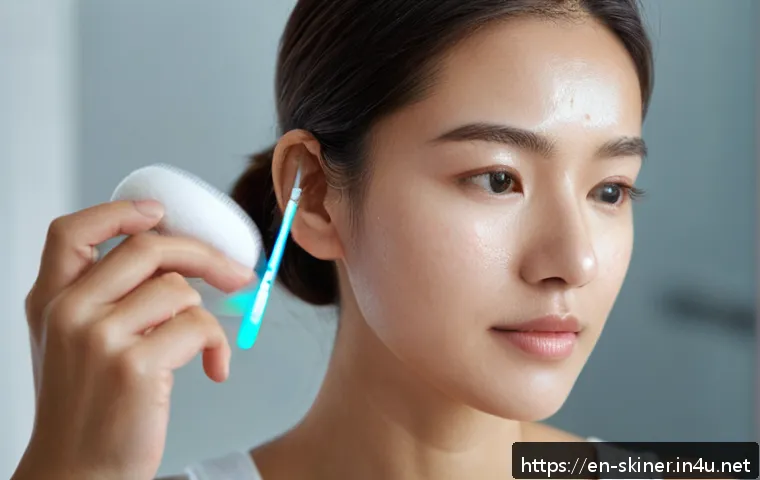
In today’s beauty landscape, personalized skincare is no longer a luxury but a necessity as more people seek routines tailored to their unique skin needs.
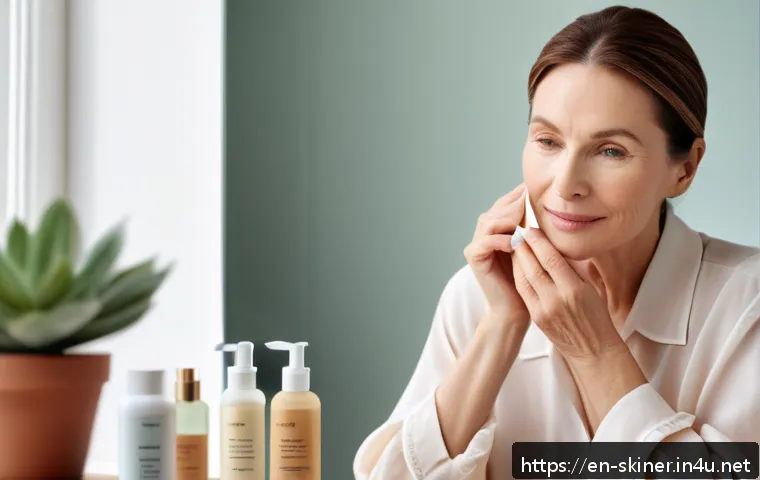
With rising awareness around skin health and the explosion of innovative diagnostic tools, understanding one’s skin type has become crucial for effective care.
I’ve seen firsthand how accurate skin type diagnosis transforms client experiences, leading to better results and happier skin. Join me as we explore real-life case studies that reveal how personalized approaches unlock healthier, glowing skin for everyone.
Whether you’re a skincare newbie or a seasoned enthusiast, this deep dive promises insights you won’t want to miss.
Understanding Oily Skin: Real Client Experiences
Identifying Excess Sebum and Its Impact
When I first met clients struggling with oily skin, the challenge was always the same: managing shine without stripping moisture. One memorable case involved a young woman in her mid-20s who complained about persistent greasiness and frequent breakouts.
By carefully observing her skin’s texture and using a sebum meter, we confirmed her skin type as oily. This diagnosis helped us tailor a regimen focused on balancing oil production while maintaining hydration, which transformed her skin within weeks.
The key was introducing lightweight, non-comedogenic products that absorbed quickly and prevented clogged pores. This hands-on experience reinforced how critical accurate oily skin diagnosis is for effective treatment.
Customized Routine for Long-Term Control
Simply recognizing oily skin isn’t enough; the routine must evolve with seasonal changes and lifestyle. For example, another client, a busy professional, noticed her oily skin worsened during humid summers.
By adjusting her routine to include mattifying primers and gel-based moisturizers during this period, she was able to control excess shine without causing dryness.
I advised her to incorporate gentle exfoliation twice a week to prevent buildup, which she found easy to maintain. This adaptability was crucial in keeping her skin balanced year-round.
It’s fascinating how a detailed understanding of oily skin characteristics leads to practical, sustainable solutions.
Dry and Sensitive Skin: Delicate Balancing Act
Pinpointing Sensitivity Triggers
Dry and sensitive skin types often require the most nuanced care. I recall working with a client who suffered from redness and irritation every time she tried a new product.
After a thorough skin analysis and patch testing, we identified common irritants in her previous routine—fragrances and alcohol-based toners. This discovery allowed us to switch to fragrance-free, soothing ingredients like ceramides and hyaluronic acid, which dramatically improved her comfort.
Witnessing her skin calm down and regain softness was deeply rewarding. This case underscored how vital it is to understand not just dryness but the skin’s tolerance levels.
Hydration Strategies That Work
For dry skin, hydration is king, but the type of hydration matters immensely. I advised another client, a mother juggling work and family, to layer hydrating serums under occlusive moisturizers to lock in moisture.
She was initially skeptical but noticed immediate relief from tightness and flakiness. Implementing gentle cleansing routines and avoiding hot water also played a role in preserving her skin barrier.
These small, personalized tweaks made her skincare feel less like a chore and more like a comforting ritual. Dry, sensitive skin needs this kind of attentive, customized care to thrive.
Combination Skin: Navigating Conflicting Needs
Mapping Different Zones Accurately
Combination skin presents a unique puzzle because different areas require different treatments. I once worked with a client whose T-zone was oily but cheeks were dry and patchy.
By using skin diagnostic tools and visual assessment, we mapped her face into zones with distinct characteristics. This allowed us to create a hybrid regimen—oil-control products for her forehead and nose, and deeply nourishing creams for her cheeks.
The complexity of this approach might seem daunting, but the results were impressive: balanced skin without compromise. This experience showed me how vital zone-specific diagnosis is for combination skin.
Layering Products for Maximum Benefit
Another challenge with combination skin is product layering to avoid overloading or under-treating any area. I recommended lightweight serums on oily zones and richer creams on dry patches, applying them carefully to avoid mixing incompatible ingredients.
This thoughtful layering took some trial and error but eventually led to a clear, comfortable complexion. The client appreciated the personalized attention and the fact that her skin felt cared for in every area.
This case reinforced my belief that combination skin demands both precision and patience to perfect.
Acne-Prone Skin: Beyond Surface Solutions
Diagnosing Underlying Causes
Acne-prone skin isn’t just about breakouts; it’s about understanding what triggers them. In one detailed consultation, I discovered that a client’s persistent acne was linked to hormonal fluctuations and environmental stressors rather than just poor hygiene.
We incorporated gentle exfoliation, salicylic acid treatments, and stress management techniques into her regimen. This holistic approach led to clearer skin and fewer flare-ups.
It was eye-opening to see how personalized diagnosis goes beyond surface symptoms to address root causes effectively.
Maintaining Results with Consistency
Clear skin achieved through targeted treatments can quickly relapse without ongoing care. I coached another client on establishing a consistent routine with non-irritating cleansers and spot treatments, emphasizing patience and gradual progress.

Her skin gradually improved over months, proving that acne-prone skin management is a marathon, not a sprint. This reinforced the importance of setting realistic expectations and maintaining open communication during the journey.
Normal Skin: Enhancing Natural Balance
Recognizing Subtle Needs
Even clients with normal skin benefit from personalized care tailored to subtle needs like preventing early aging or environmental damage. A young man with seemingly flawless skin wanted to maintain its health long-term.
We focused on antioxidant serums, sun protection, and gentle hydration to preserve his skin’s natural balance. His feedback was positive, highlighting how proactive care can keep normal skin vibrant and resilient.
Seasonal Adjustments for Optimal Health
Normal skin can shift with seasons, so I advised another client to adjust moisturizers and cleansing routines accordingly. In colder months, richer creams helped combat dryness, while lighter gels were preferable in summer to prevent excess oiliness.
This flexible approach kept her skin comfortable year-round, demonstrating that even balanced skin benefits from attentive, seasonal customization.
Personalized Skincare Solutions: A Comparative Overview
| Skin Type | Key Diagnostic Tools | Primary Concerns | Recommended Products | Client Experience Highlights |
|---|---|---|---|---|
| Oily | Sebum meter, visual inspection | Excess oil, breakouts | Lightweight, non-comedogenic cleansers, mattifying moisturizers | Reduced shine and breakouts after routine adjustment |
| Dry & Sensitive | Patch testing, hydration level measurement | Redness, irritation, tightness | Fragrance-free, ceramide-rich creams, gentle cleansers | Improved comfort and reduced sensitivity |
| Combination | Zone mapping, moisture balance analysis | Oily T-zone, dry cheeks | Zone-specific moisturizers, lightweight serums, rich creams | Balanced skin without dryness or oiliness |
| Acne-Prone | Hormonal assessment, skin surface analysis | Breakouts, inflammation | Salicylic acid, gentle exfoliants, spot treatments | Clearer skin through holistic regimen |
| Normal | Visual inspection, hydration testing | Maintenance, early aging prevention | Antioxidants, SPF, balanced moisturizers | Sustained skin health and vibrancy |
How Lifestyle Influences Skin Type and Care
Dietary Impact on Skin Health
I’ve noticed that clients who tweak their diets often see remarkable skin improvements. For instance, reducing sugar and processed foods while increasing hydration and antioxidants can calm inflammation and reduce breakouts.
One client who embraced a Mediterranean diet reported fewer flare-ups and a more radiant complexion. This real-life example highlights how lifestyle modifications complement personalized skincare.
Stress and Sleep Effects
Stress and poor sleep can wreak havoc on any skin type, exacerbating oiliness, sensitivity, or acne. I’ve worked with clients who improved their skin dramatically just by prioritizing rest and practicing mindfulness.
This connection between mental well-being and skin health is often underestimated but incredibly powerful. Encouraging holistic wellness alongside topical care creates lasting transformations.
Technology’s Role in Personalizing Skincare
Advances in Skin Analysis Devices
Cutting-edge diagnostic tools like AI-powered skin scanners and digital imaging have revolutionized how we understand skin types. I’ve used these devices to track changes over time and fine-tune routines with precision.
Clients appreciate the data-driven insights, which boost confidence in the customized plans we create. This technology bridges science and skincare artistry beautifully.
Virtual Consultations and Accessibility
The rise of virtual skincare consultations has made personalized advice more accessible than ever. I’ve guided clients remotely by interpreting photos and questionnaire data, crafting tailored routines despite distance.
This flexibility benefits busy professionals and those without easy access to in-person specialists. It’s exciting to see how technology democratizes personalized skincare, making it achievable for everyone.
Conclusion
Understanding your skin type is the foundation of effective skincare. Through personalized routines and mindful lifestyle choices, managing even the most challenging skin concerns becomes achievable. Real client experiences highlight the importance of tailored approaches and ongoing adjustments to maintain healthy, radiant skin. Embracing these insights empowers anyone to take control of their skin’s unique needs confidently.
Helpful Information
1. Consistent skincare tailored to your skin type yields the best long-term results.
2. Seasonal changes can significantly affect skin behavior, so adapting your routine is essential.
3. Hydration is key for all skin types but must be customized to avoid irritation or excess oil.
4. Lifestyle factors like diet, sleep, and stress management have a profound impact on skin health.
5. Advances in technology, including virtual consultations and skin analysis tools, enhance personalized care accessibility.
Key Takeaways
Accurate skin diagnosis is crucial for creating effective treatment plans that respect individual skin differences. Customized routines should be flexible to accommodate environmental and lifestyle shifts. Prioritizing gentle, non-irritating products helps maintain the skin barrier, especially for sensitive types. Holistic approaches addressing both internal and external factors lead to sustained skin improvements. Lastly, leveraging modern technology can provide deeper insights and support ongoing skin health management.
Frequently Asked Questions (FAQ) 📖
Q: How can I accurately determine my skin type at home?
A: Determining your skin type at home can be surprisingly straightforward with a simple test. After cleansing your face thoroughly and waiting for about an hour without applying any products, gently press a clean tissue on different areas of your face—forehead, nose, cheeks, and chin.
If the tissue picks up oil in all areas, you likely have oily skin. If there’s little to no oil, your skin is probably dry. Combination skin shows oil in the T-zone but dryness on the cheeks.
Normal skin feels balanced without excessive oiliness or dryness. Personally, I recommend combining this with observing how your skin feels throughout the day—tight, flaky, shiny, or comfortable—to get a clearer picture.
For best results, consider consulting a skincare professional who can use diagnostic tools for a more precise analysis.
Q: Why is personalized skincare more effective than using general products?
A: Personalized skincare works wonders because it addresses your skin’s unique needs rather than applying a one-size-fits-all approach. When I started customizing routines for clients, I noticed they achieved faster and longer-lasting improvements.
For example, someone with sensitive, dehydrated skin might react poorly to harsh exfoliants found in generic products, while a tailored routine would focus on gentle hydration and barrier repair.
Personalized regimens consider factors like skin type, concerns, lifestyle, and even environmental exposure, which makes the products more compatible and effective.
This level of customization reduces irritation, maximizes benefits, and ultimately leads to healthier, glowing skin.
Q: How do innovative diagnostic tools improve skin type identification?
A: Innovative diagnostic tools have revolutionized how we understand skin. Devices like skin analyzers use advanced imaging and sensors to assess hydration, oil levels, pore size, and pigmentation in detail that the naked eye can’t detect.
From my experience using these tools, clients often discover surprising insights—like hidden dryness beneath oily surfaces or early signs of sun damage—that help tailor treatment plans more accurately.
These technologies provide objective data that guide product selection and routine adjustments, leading to more precise care and noticeable results. If you’re serious about skincare, investing time in a professional skin analysis can be a game-changer.