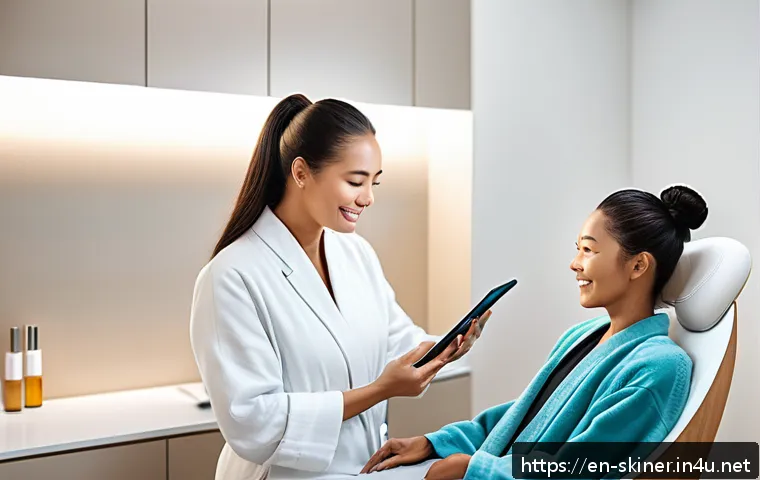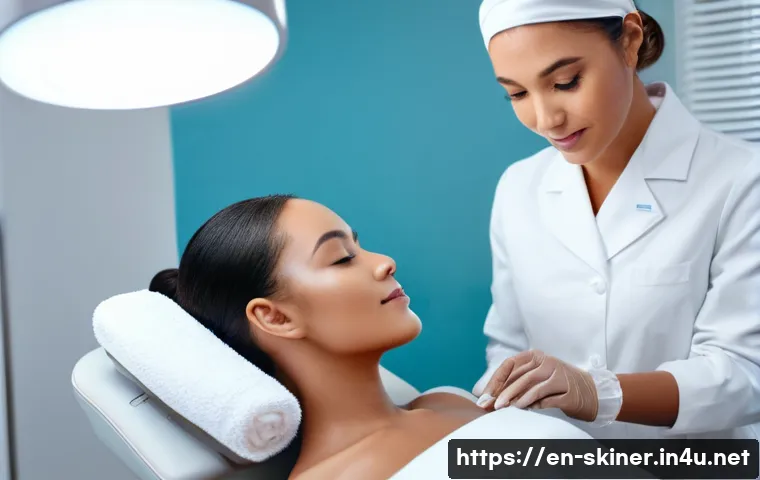
Stepping into the world of skincare professionals offers a unique glimpse into an industry where science meets beauty. From mastering advanced techniques to understanding individual skin needs, estheticians play a vital role in boosting confidence and promoting healthy skin.
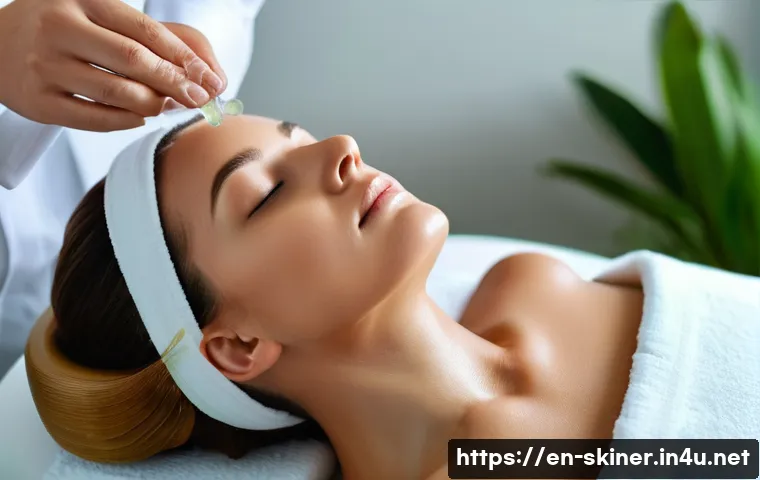
Their daily experiences reveal not just the art behind treatments but also the challenges they face in keeping up with ever-evolving trends and products.
Whether you’re curious about the career path or looking for insider tips, hearing directly from someone in the field brings invaluable insight. Let’s dive deeper and uncover the realities and rewards of being a skincare expert.
Get ready to explore everything in detail right below!
Understanding the Core Skills Every Skincare Professional Needs
Mastering the Science Behind Skin Types and Conditions
Becoming skilled in identifying different skin types and conditions is the foundation of any esthetician’s expertise. This means more than just knowing whether a client has oily or dry skin; it involves recognizing subtler issues like sensitivity, dehydration, and underlying inflammatory conditions.
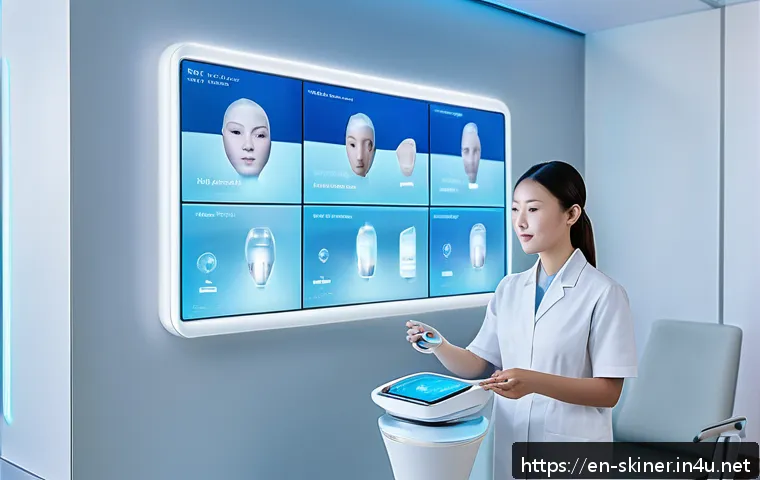
From my own experience, I’ve found that clients often come in with misconceptions about their skin, so the ability to analyze and educate is crucial. Tools like skin analyzers and thorough consultations help bridge the gap between guesswork and precision, making personalized treatments far more effective.
The challenge lies in staying updated with dermatological research and adapting techniques accordingly, as skin science is constantly evolving.
Hands-On Techniques That Set Professionals Apart
Practical skills in performing facials, extractions, and massage techniques are what clients most visibly appreciate. When I first started, mastering the perfect pressure for lymphatic drainage or the right timing for chemical peels was intimidating.
But over time, those nuances make all the difference in client satisfaction and results. Plus, understanding how to layer products correctly and customize treatments based on real-time feedback turns a basic facial into a transformative experience.
The tactile nature of these skills means ongoing practice is essential, and even seasoned pros never stop refining their touch.
Building Communication Skills for Client Trust and Retention
Beyond technical know-how, building rapport with clients is a game-changer. I’ve noticed that when I take the time to listen and explain what’s happening beneath the skin, clients feel empowered and more loyal.
This trust boosts not only treatment adherence but also opens doors for upselling products or recommending complementary services. Clear, empathetic communication also helps manage expectations, especially when results take time or when certain products may cause temporary reactions.
It’s a balance of being professional yet approachable that keeps clients coming back.
Adapting to Constant Changes in Skincare Trends and Products
Keeping Up with Industry Innovations and Ingredients
One of the most exciting yet demanding aspects of being an esthetician is the rapid pace of innovation. Every few months, new ingredients or devices hit the market claiming to revolutionize skincare.
Personally, I make it a point to attend trade shows and subscribe to trusted journals to sift through hype versus genuine breakthroughs. For example, the rise of bakuchiol as a gentler alternative to retinol took the industry by storm, and knowing how to integrate it safely into treatments helped me stay ahead.
Staying informed isn’t just about knowledge; it’s about ensuring client safety and delivering the best possible outcomes.
Balancing Traditional Techniques with Modern Technology
While cutting-edge gadgets like LED therapy and microcurrent devices offer amazing benefits, I’ve found that blending them with time-tested methods creates the most holistic approach.
Clients appreciate seeing tangible results but also value the soothing, personalized touch of manual treatments. Navigating this balance requires ongoing training and sometimes a bit of trial and error.
It’s also important to communicate clearly about what these technologies can and cannot do, avoiding unrealistic expectations while maximizing benefits.
Product Recommendations in a Saturated Market
The skincare product market is overwhelming, even for professionals. When clients ask for advice, I rely on a combination of ingredient knowledge, brand reputation, and real-world results from my own trials.
I keep a curated selection of products that I’ve personally vetted and found effective, focusing on those that suit different skin types and concerns.
This approach builds credibility and ensures that product recommendations are both safe and effective, increasing client satisfaction and boosting retail sales.
Daily Challenges Faced by Skincare Experts
Managing Client Expectations and Skin Reactions
One of the trickiest parts of the job is navigating client expectations, especially when skin doesn’t respond immediately or reacts unpredictably. I’ve had clients come in expecting overnight miracles, so setting realistic goals from the start is critical.
When reactions like redness or purging occur, explaining these phenomena calmly and clearly helps maintain trust. It takes patience and empathy to keep clients motivated through the sometimes slow journey toward healthier skin.
Physical and Emotional Demands of the Job
Working as an esthetician involves long hours on your feet, repetitive hand movements, and constant interaction with people. Over time, I’ve noticed the toll this can take physically—wrist strain, back aches, and even vocal fatigue from talking all day.
Emotionally, absorbing clients’ personal stories and concerns can be draining too. Developing self-care routines and setting boundaries is vital for sustainability in this career.
It’s a demanding profession that requires both physical stamina and emotional resilience.
Navigating Business and Marketing Responsibilities
Many skincare professionals juggle not only treatments but also the business side—scheduling, marketing, inventory, and client follow-ups. Early in my career, I underestimated how much time these tasks would consume.
Learning basic marketing strategies, from social media engagement to referral incentives, has been essential for building a loyal clientele. Efficient management tools and a clear business plan help reduce stress, allowing more focus on delivering quality care.
Career Growth and Specialization Opportunities in Skincare
Exploring Advanced Certifications and Training
The path to becoming a top-tier esthetician often involves continuous education. Pursuing certifications in areas like medical esthetics, laser treatments, or chemical peels opens doors to higher-paying roles and more diverse services.
I personally enrolled in a dermaplaning course last year, which not only expanded my skill set but also attracted a new client demographic. These specialized trainings can be costly and time-consuming but offer invaluable returns in expertise and career satisfaction.
Transitioning into Related Fields
Some skincare experts choose to broaden their horizons by entering related fields such as cosmetic sales, product formulation, or even dermatology assistance.
These options allow for career diversification while leveraging existing knowledge. I’ve seen colleagues move into product development roles where they influence ingredient selection and formulation, which is fascinating for those passionate about skincare science.
It’s encouraging to know that the skills developed as an esthetician can translate into many rewarding paths.
Building a Personal Brand and Online Presence
In today’s digital age, establishing an online presence is almost mandatory for career advancement. Creating content, sharing skincare tips, and showcasing client transformations help build credibility and attract new business.
I started sharing short educational videos on Instagram, and the engagement surprised me—it opened opportunities for collaborations and even speaking gigs.

Developing a personal brand requires authenticity and consistency, but the payoff in client trust and visibility is well worth the effort.
Effective Client Consultation Strategies for Skincare Success
Conducting Comprehensive Skin Assessments
A thorough consultation is the cornerstone of successful treatment planning. During my sessions, I ask detailed questions about lifestyle, allergies, previous treatments, and skincare routines.
I also visually inspect the skin under different lighting and sometimes use magnification tools. This holistic approach helps uncover hidden issues and tailor treatments precisely.
Clients appreciate when they feel truly understood, and it sets a professional tone for the entire relationship.
Setting Clear Treatment Goals Together
Instead of dictating what a client “needs,” involving them in setting achievable goals makes a huge difference. I usually suggest a roadmap with short-term and long-term objectives, explaining what improvements to expect and when.
This transparency not only builds trust but also reduces the likelihood of disappointment. For example, if acne scars are a concern, I explain that fading takes time and multiple sessions, which helps manage expectations.
Follow-Up and Adjusting Plans Based on Progress
Skincare is dynamic, and regular follow-ups allow adjustments based on how the skin responds. I encourage clients to track their progress with photos and notes, which we review together.
Sometimes products need switching, or treatment intervals must change. This ongoing dialogue reinforces commitment and shows that I’m invested in their success, not just completing a transaction.
Top Tools and Products Every Skincare Professional Recommends
Essential Equipment for Professional Treatments
From steamers and extraction tools to LED masks and microdermabrasion devices, the right equipment can elevate the quality of treatments. I’ve found that investing in reliable, easy-to-clean tools not only improves efficiency but also client confidence in hygiene standards.
For instance, a good quality magnifying lamp makes a huge difference during extractions and skin analysis, reducing eye strain and enhancing precision.
Favorite Ingredient-Packed Products for Various Skin Types
Choosing products with proven, effective ingredients is crucial. I often recommend hyaluronic acid serums for hydration, niacinamide for calming redness, and salicylic acid for acne-prone skin.
Personally, I avoid heavy fragrances or irritants in products I suggest, especially for sensitive clients. The goal is always to support the skin’s natural barrier while addressing specific concerns.
How to Educate Clients About Homecare Routines
A professional treatment is just one part of the skincare puzzle. I spend time teaching clients how to use cleansers, moisturizers, and sunscreens correctly at home.
Demonstrations, personalized product lists, and simple explanations help clients stick to routines. I’ve noticed that when clients understand why each step matters, they’re more motivated to maintain consistency, leading to better results and fewer emergency appointments.
| Tool/Product | Purpose | Recommended For | My Experience |
|---|---|---|---|
| LED Therapy Mask | Reduces inflammation, boosts collagen | Acne-prone, aging skin | Clients report smoother skin and fewer breakouts after consistent use |
| Hyaluronic Acid Serum | Hydration and plumping | All skin types, especially dry | Noticeable improvement in skin texture and elasticity within weeks |
| Magnifying Lamp | Detailed skin examination | Estheticians for precision work | Essential for accuracy during extractions and assessments |
| Salicylic Acid Cleanser | Exfoliates and unclogs pores | Oily, acne-prone skin | Helps reduce breakouts when used as part of a routine |
| Microdermabrasion Machine | Removes dead skin, promotes cell turnover | Clients with dull or uneven skin tone | Clients love the immediate brightness and smoothness post-treatment |
Maintaining Personal Wellbeing While Caring for Others
Creating Boundaries to Prevent Burnout
Skincare professionals often feel compelled to go above and beyond for clients, but this can lead to burnout if boundaries aren’t set. I’ve learned to schedule breaks between appointments and say no to last-minute bookings that overload my day.
This balance helps me stay energized and present during each session, ultimately benefiting both me and my clients.
Incorporating Self-Care Routines into Daily Life
Practicing what I preach means maintaining my own skin and wellbeing with consistent routines. Beyond skincare, I focus on hydration, nutrition, and exercise to support overall health.
Taking time for hobbies and relaxation outside work recharges my mental and emotional batteries, which is essential given the emotional labor involved in client care.
Seeking Professional Support When Needed
There are times when the emotional weight of clients’ stories or physical exhaustion gets overwhelming. I don’t hesitate to seek support from mentors, counselors, or peers in the industry.
Talking openly about challenges fosters resilience and reminds me that self-care isn’t selfish but necessary to provide the best care for others.
Conclusion
Becoming a skilled skincare professional requires a blend of scientific knowledge, hands-on expertise, and strong communication abilities. Staying current with industry trends and balancing traditional methods with innovation ensures the best care for clients. Above all, maintaining personal wellbeing and setting clear boundaries is essential for long-term success and satisfaction in this rewarding career.
Useful Tips to Keep in Mind
1. Always prioritize thorough skin analysis to tailor treatments effectively and educate clients accurately.
2. Continuously refine your manual skills and stay updated on new techniques to enhance client experience.
3. Build trust through clear, empathetic communication, managing expectations realistically.
4. Invest time in ongoing education and explore certifications to expand your professional opportunities.
5. Balance your workload by setting boundaries and practicing self-care to prevent burnout.
Key Takeaways
Success in skincare demands a comprehensive approach that combines technical skill, up-to-date knowledge, and strong interpersonal connections. Professionals must be adaptable to evolving trends while maintaining a personal touch that clients value. Equally important is managing physical and emotional health to sustain a fulfilling career. Strategic product recommendations and effective client consultations help boost satisfaction and business growth, making continuous learning and self-care indispensable pillars in this field.
Frequently Asked Questions (FAQ) 📖
Q: What qualifications or training do I need to become a professional esthetician?
A: To become a licensed esthetician, you typically need to complete a state-approved training program, which usually ranges from 300 to 600 hours of coursework covering skin anatomy, treatment techniques, and safety protocols.
After training, passing a licensing exam is required in most states. Personally, I found that hands-on practice during the program was invaluable—it helped me build confidence before working with real clients.
Continuing education is also crucial since skincare trends and technologies evolve rapidly, so staying updated through workshops or certifications keeps your skills sharp and relevant.
Q: What are some common challenges estheticians face in their daily work?
A: One of the biggest challenges is managing diverse skin types and conditions effectively, as no two clients are alike. It takes experience to tailor treatments that deliver real results without causing irritation.
Another hurdle is keeping up with the constant influx of new products and trends—sometimes it feels overwhelming to test and learn about everything. Also, building trust with clients can be tricky, especially when they have had disappointing experiences elsewhere.
From my experience, patience and clear communication go a long way in overcoming these obstacles and ensuring clients feel comfortable and cared for.
Q: How rewarding is a career in skincare beyond just the treatments?
A: Being a skincare professional is incredibly rewarding because you get to witness the positive impact your work has on someone’s confidence and well-being.
It’s more than just facials or peels—it’s about educating clients on healthy habits and empowering them to feel good in their skin. I remember a client who struggled with acne for years and seeing her glow after consistent treatments was genuinely fulfilling.
Plus, the creativity involved in customizing routines and the ongoing learning keep the job exciting. If you enjoy helping others and love science mixed with beauty, this career offers a meaningful and dynamic path.