
Hey beauty bosses! Ever felt that itch for something *more* in your esthetics career? I totally get it.
After years in the treatment room, you build incredible expertise, but sometimes the path ahead feels a little… predictable, doesn’t it? The beauty industry is exploding right now, with new technologies, specialized treatments, and unique niches popping up faster than you can say ‘microdermabrasion.’ We’re seeing a massive shift towards personalization and holistic wellness, and that means incredible opportunities for seasoned professionals like us to pivot, grow, and truly thrive.
Maybe you’re dreaming of moving into medical aesthetics, opening your own boutique spa, or even consulting. Whatever your vision, leveraging your existing skills is key, but knowing *how* to make that leap can feel daunting.
I’ve personally guided several amazing estheticians through this very journey, and let me tell you, the success stories are truly inspiring. It’s not just about finding a new job; it’s about reinventing your professional narrative and stepping into a role that truly lights you up.
This post dives deep into making that transition seamless and successful, packed with insider tips I’ve gathered over the years. So, you’ve poured your heart and soul into making clients glow, mastering every facial technique and product line under the sun.
You’re good, really good. But lately, have you found yourself wondering, ‘Is this *it*?’ Perhaps you’re an experienced esthetician longing for a new challenge, a fresh environment, or simply a change of pace that truly leverages your years of dedication.
I’ve heard countless stories, and yes, even experienced it myself, where a career shift felt like the scariest yet most rewarding decision. It’s not about leaving your passion behind; it’s about evolving it, transforming your expertise into a new, exciting chapter.
If you’re at this crossroads, eager to explore how your invaluable skills can open doors to incredible new opportunities, then you’re exactly where you need to be.
Let’s uncover the secrets to a successful career pivot for experienced estheticians, right here, right now.
Discovering Your True Calling: Pinpointing Your Next Esthetic Journey
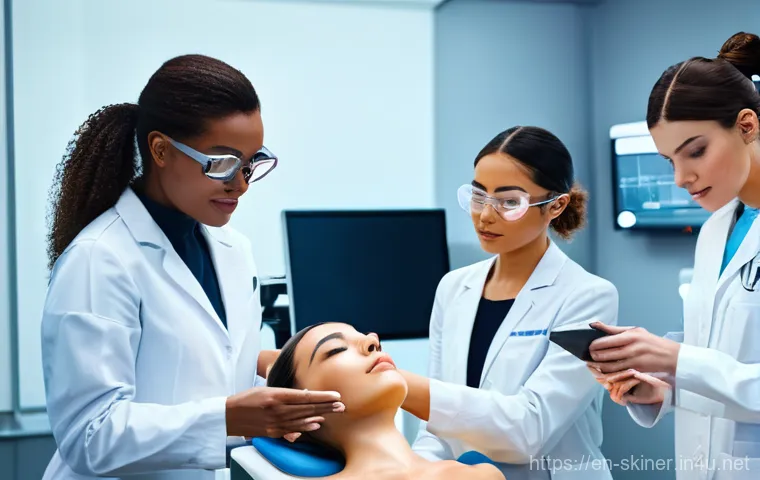
After years dedicated to perfecting skin and making clients feel their absolute best, it’s natural to start looking inward and asking, “What’s next for *me*?” I’ve seen so many talented estheticians reach this point, feeling a deep desire to expand their horizons beyond the traditional treatment room.
It’s not about leaving your passion behind; it’s about refining it, channeling that incredible expertise into an area that truly ignites your spark. Think about the aspects of your current role that you love most.
Is it the science behind ingredients? The artistry of advanced techniques? The joy of educating clients?
Or perhaps the thrill of business development? Taking the time for this deep self-reflection isn’t selfish; it’s essential for mapping out a fulfilling future.
I once worked with an esthetician who was brilliant with product formulations but felt stifled by the repetitive nature of facials. After some soul-searching, she pivoted into product development for a skincare brand, and honestly, she’s never looked back.
Her passion for ingredients, which she’d always indulged on the side, became her main focus, and her deep understanding of what works on real skin was an invaluable asset.
This kind of thoughtful introspection is the first, crucial step toward an exciting new chapter. It’s about recognizing that your vast experience has given you a unique perspective that can be applied in countless innovative ways within our ever-evolving industry.
Don’t rush this process; truly lean into what makes you tick.
Unearthing Your Latent Passions and Skills
You’ve accumulated a wealth of knowledge and hands-on experience, and it’s time to sift through it and identify those specific areas where you truly shine or feel a pull.
Have clients consistently praised your ability to explain complex skin conditions in simple terms? Perhaps you have a knack for training new team members, or you’re the go-to person for troubleshooting equipment.
These aren’t just minor accomplishments; they’re indicators of deeper talents and potential career avenues. For me, I realized my favorite part of the job wasn’t just performing treatments, but connecting with other professionals and sharing insights.
That realization was a huge turning point, guiding me towards mentorship and eventually, this very blog!
Market Research: Where Do Your Niche and Industry Needs Converge?
Once you have a clearer idea of your internal compass, it’s time to look outwards. The beauty industry is a vast ocean, and new currents are constantly forming.
Are there emerging trends in medical aesthetics, wellness coaching, or sustainable beauty that resonate with your newly discovered niche? Could your deep understanding of diverse skin types make you an ideal candidate for a cultural beauty consultant role?
Researching market gaps and future demands will help you validate your ideas and identify specific opportunities where your unique blend of skills and passion can truly thrive.
It’s about finding that sweet spot where what you love to do meets what the market desperately needs.
Leveling Up Your Expertise: The Power of Advanced Education and Certifications
Making a significant career pivot often means stepping into areas where additional specialized knowledge is not just beneficial, but absolutely essential.
While your foundational esthetics training is a robust springboard, think of advanced education and certifications as the rocket fuel that propels you into these new orbits.
I’ve seen countless estheticians, myself included, invest in further learning, and the returns are always tenfold. It’s not merely about getting a piece of paper; it’s about deepening your understanding, broadening your skill set, and crucially, building confidence in your new direction.
If you’re eyeing medical aesthetics, for instance, diving into laser certifications, advanced chemical peels, or even specialized paramedical esthetics courses becomes non-negotiable.
These programs don’t just teach techniques; they instill the critical safety protocols and clinical understanding vital for working in a more regulated environment.
I recall a friend who wanted to transition into cosmetic device sales; she took a comprehensive course on the physics of light-based therapies. It gave her the edge she needed to speak confidently with doctors and medspa owners, understanding their clinical needs and how her products could genuinely help.
Navigating the World of Specialized Training Programs
The sheer volume of specialized training available can feel overwhelming, but it’s an exciting challenge. Start by researching accredited institutions and reputable industry organizations that offer certifications in your desired niche.
Look for programs with strong hands-on components and instructors who are active, respected professionals in that specific field. Remember, quality over quantity is key here.
A robust, in-depth course from a recognized provider will carry far more weight than multiple superficial workshops. Don’t be afraid to reach out to alumni or current students to get a real feel for the program’s value.
The Benefits of Continuous Professional Development (CPD)
Even after you’ve landed your dream pivot, the learning never stops. Our industry is dynamic, with new research, technologies, and product innovations emerging constantly.
Embracing Continuous Professional Development (CPD) through ongoing workshops, advanced seminars, and industry conferences isn’t just a requirement for many licenses; it’s a mindset that keeps you sharp, relevant, and at the forefront of your field.
I personally make it a point to attend at least two major industry conferences a year. The networking alone is invaluable, but the opportunity to learn directly from leading experts and glimpse future trends keeps my passion burning brightly.
Crafting Your Unique Professional Narrative: Building an Unstoppable Personal Brand
Once you’ve zeroed in on your new direction and bolstered your knowledge, the next critical step is to strategically communicate this evolution to the world.
Building a personal brand isn’t about being famous; it’s about clearly defining who you are, what specialized value you offer, and why people should trust and choose you in your new capacity.
This is where your years of experience become a powerful differentiator. You’re not just starting fresh; you’re leveraging a rich foundation. Think about your online presence – your LinkedIn profile, professional website, or even a specialized Instagram account.
Are they reflecting your *new* professional identity? I’ve seen many estheticians make the mistake of just updating their resume. While that’s important, truly owning your narrative means proactively showcasing your expertise.
One esthetician I mentored wanted to move into holistic beauty consulting. We worked together to revamp her social media, where she started sharing insights on ingredient transparency, sustainable practices, and lifestyle factors impacting skin health.
This immediately positioned her as a thought leader in her chosen niche, attracting clients who valued that specific approach. Your brand is your story, told consistently and compellingly.
Digital Footprint: Showcasing Your Evolved Expertise
In today’s digital age, your online presence is often the first impression you make. Ensure your professional profiles on platforms like LinkedIn are meticulously updated to reflect your new skills, certifications, and career aspirations.
Consider creating a dedicated professional website or a specialized section on your existing one, highlighting your new focus with case studies, testimonials, or a portfolio of your work if applicable.
For instance, if you’re moving into paramedical esthetics, before-and-after photos (with client consent, of course!) showcasing your advanced techniques can be incredibly powerful.
A clean, professional, and consistent digital footprint is paramount.
Content Creation: Establishing Yourself as a Thought Leader
One of the most effective ways to build authority and trust in your new niche is through content creation. This doesn’t mean you need to become a full-time blogger (unless you want to!).
It could involve writing insightful articles for industry publications, creating engaging short videos on social media answering common questions in your new area, or even hosting webinars.
The goal is to share your expertise generously, demonstrating your deep understanding and passion. When I decided to focus more on career guidance, I started writing detailed posts about career transitions, sharing my own experiences and tips.
It wasn’t about selling; it was about providing value, and that naturally attracted an audience seeking similar guidance.
Venturing into New Professional Landscapes: Exploring Diverse Career Paths
The beauty industry, as we know, is incredibly dynamic, offering a kaleidoscope of career opportunities beyond the traditional spa setting. For experienced estheticians, this means your skills are incredibly transferable and sought after in new and exciting domains.
It’s not about leaving behind what you’ve mastered, but rather applying that mastery in innovative ways. Have you ever considered the impact you could make in medical aesthetics, working alongside dermatologists or plastic surgeons?
Or perhaps sharing your wisdom by educating the next generation of estheticians? I’ve seen estheticians successfully transition into roles ranging from brand education and product development to technical sales and even health coaching with a specialized focus on skin wellness.
The key is to recognize that your deep understanding of skin, client care, and product efficacy is a valuable asset across many different sectors. For example, one of my former colleagues, after years in a high-end spa, realized her true passion was helping clients manage post-surgical skin.
She pursued additional training in paramedical aesthetics and now works in a plastic surgery clinic, a role she finds incredibly rewarding and professionally stimulating.
Medical Aesthetics and Clinical Roles
The medical aesthetics field is booming, offering a more clinically focused environment. This path often involves working with advanced devices, laser therapies, injectables (though usually administered by nurses or doctors, you’d be a crucial support), and pre/post-operative care.
Roles here include Medical Esthetician, Laser Technician, or Clinical Skincare Specialist. These positions require a robust understanding of anatomy, physiology, and often, specific certifications for the technologies you’ll be operating.
Education, Training, and Brand Representation
If you have a knack for teaching and sharing knowledge, a career in education or brand representation might be your calling. This could involve becoming an instructor at an esthetics school, developing training programs for product lines, or traveling as a brand ambassador, educating spa owners and other professionals on new products and techniques.
Your hands-on experience gives you incredible credibility in these roles.
Consulting and Entrepreneurship
For those with an entrepreneurial spirit, consulting offers immense flexibility. You could advise new spa owners, help brands develop their product lines, or even become a beauty industry consultant, guiding others through their own career pivots.
This path often allows you to set your own hours and choose projects that truly excite you.
Navigating the Financial Realities: Planning for a Sustainable Career Transition

Let’s be real: making a significant career change, especially one that involves new training or starting your own venture, often comes with financial considerations.
It’s a conversation that can feel daunting, but honestly, it’s one of the most crucial parts of ensuring your pivot is not just exciting, but also sustainable.
I’ve guided many through this, and my biggest piece of advice is: plan, plan, plan! Don’t just jump in headfirst without understanding the potential financial shifts.
This could mean budgeting for tuition fees, investing in new equipment, or preparing for a temporary dip in income if you’re transitioning away from a steady job.
It’s an investment in yourself, yes, but like any investment, it requires careful consideration. I personally saved diligently for about two years before making my own big leap, creating a buffer that gave me peace of mind during the initial growth phase of my new venture.
This allowed me to focus on building rather than stressing about every single bill. Understanding your cash flow, potential new income streams, and where you might need to cut back temporarily is incredibly empowering.
It turns potential anxieties into manageable action steps.
Budgeting for Training and Startup Costs
The first step in financial planning for your pivot is to meticulously detail any costs associated with your new path. Are there advanced certification programs you need?
New licenses? What about marketing materials if you’re starting a consulting business? Create a realistic budget that accounts for tuition, materials, examination fees, and any necessary technology or equipment upgrades.
Don’t forget about professional insurance, which might change with your new role. This granular approach helps you see the full financial picture and start strategizing how to fund these investments, whether through savings, grants, or even a part-time role during your transition.
Understanding Potential Income Shifts and New Revenue Streams
A career pivot can sometimes mean a temporary change in your income. If you’re going from an hourly spa position to building a client base as a consultant, for example, your initial earnings might fluctuate.
It’s important to be honest with yourself about this possibility and plan accordingly. Simultaneously, explore potential new revenue streams. Could you offer virtual consultations while you complete a new certification?
Perhaps teaching a few classes on the side? Think creatively about how to bridge any income gaps and how your new skills will open doors to higher earning potential in the long run.
| Career Path | Initial Investment (Estimated) | Time Commitment for Training | Potential Income Impact |
|---|---|---|---|
| Medical Esthetician | $2,000 – $10,000+ (for laser/advanced certs) | 3-12 months (part-time to full-time) | Stable, potentially higher than traditional esthetics |
| Esthetics Educator | Minimal (if experienced); potentially $500 – $3,000 for teaching certs | 1-6 months | Salaried, often with benefits; predictable |
| Product Development/Brand Rep | Minimal (if leveraged experience); possibly $1,000 – $5,000 for marketing/business courses | Variable; self-study or short courses | Varies greatly by company and role; can be high |
| Beauty Consultant (Independent) | $500 – $5,000+ (for business setup, marketing) | Ongoing; building client base | Highly variable; strong potential for high earnings with effort |
Building Bridges: The Indispensable Art of Networking in Your New Niche
You know that old saying, “It’s not what you know, it’s who you know”? Well, in our industry, I’ve found it’s a powerful combination of *both*. As you embark on a career pivot, networking isn’t just an activity; it’s a lifeline.
It’s how you uncover hidden opportunities, gain invaluable insights, and connect with mentors who have walked similar paths. After years in the treatment room, you’ve already built a fantastic network of clients and perhaps even some fellow estheticians.
Now, it’s about consciously expanding that circle to include individuals in your desired new niche. I can’t stress enough how many incredible opportunities have come my way simply because I made the effort to connect with someone.
It’s not about asking for a job right away; it’s about building genuine relationships, sharing knowledge, and being a supportive presence in the community.
I remember attending an industry event years ago, feeling a bit out of my depth, but I struck up a conversation with someone who turned out to be a key figure in medical device sales.
That casual chat led to a mentorship that utterly transformed my perspective on career possibilities.
Strategic Connections: Beyond Casual Introductions
Networking for a career pivot is different from just exchanging business cards. It’s about being strategic and intentional. Identify key individuals, companies, and organizations within your target niche.
This might mean joining professional associations, attending specialized workshops, or even reaching out directly (with a well-crafted, respectful message, of course!) to professionals whose work you admire on platforms like LinkedIn.
When you connect, focus on learning from them, asking thoughtful questions about their journey, and understanding the landscape of their field. Offer to share your own expertise where it’s relevant.
Leveraging Industry Events and Online Communities
Industry conferences, trade shows, and specialized webinars are goldmines for networking. These events bring together a concentrated group of professionals, making it easier to meet people who share your new interests.
Don’t just stick to the main presentations; actively participate in Q&A sessions, breakout groups, and even the informal coffee breaks. Beyond in-person events, online professional communities and forums can also be incredibly valuable.
Engaging thoughtfully in these spaces, offering helpful advice, and asking relevant questions can quickly establish you as a knowledgeable and engaged member of your chosen community.
Cultivating Resilience: Navigating the Inevitable Bumps on Your New Path
Let’s face it: career changes, even the most exciting ones, are rarely a perfectly smooth ride. There will be moments of doubt, unexpected challenges, and perhaps even a few setbacks.
It’s absolutely normal, and frankly, I’d be suspicious if someone told me their transition was entirely seamless! The key to a successful pivot isn’t avoiding these bumps; it’s cultivating the mental fortitude and resilience to navigate them.
I’ve personally experienced moments where I questioned everything, wondering if I’d made the right decision. But looking back, each of those challenges taught me something invaluable and ultimately made me stronger and more determined.
Think of it as developing new “skin care” for your professional psyche – building up its protective barrier and healing any nicks along the way. It’s about being kind to yourself, celebrating small victories, and remembering *why* you embarked on this journey in the first place.
You’ve already demonstrated incredible adaptability and learning capacity throughout your esthetics career; tap into that same inner strength now.
Embracing the Learning Curve and Imperfection
When you step into a new area, even with your extensive background, you’re going to be a learner again, and that’s okay! There will be new jargon, new processes, and new expectations.
Instead of feeling pressure to know everything immediately, embrace the learning curve with curiosity and an open mind. Don’t be afraid to ask questions, even if they seem basic.
My biggest personal growth spurt came when I stopped trying to appear like I had all the answers and instead, genuinely sought to understand. Imperfection is part of the process, and every misstep is an opportunity to learn and refine your approach.
Building a Support You don’t have to go through this journey alone. Actively build a support system around you. This could include finding a mentor who has successfully navigated a similar pivot, connecting with peers who are also in transition (there’s immense power in shared experiences!), and leaning on personal cheerleaders – friends and family who believe in you. Having people to bounce ideas off of, share frustrations with, and celebrate successes alongside is incredibly vital. I rely heavily on my own network of mentors and fellow entrepreneurs. They’ve been my sounding board, my source of encouragement, and sometimes, the ones who gently nudge me back on track when I’ve strayed.
Closing Thoughts
And so, my dear fellow estheticians, we reach the end of this journey together, but truly, it’s just the beginning of yours. Remember, your career is a living, breathing entity, constantly evolving, much like the skin we so passionately care for. Don’t ever feel constrained by what you’ve always done; instead, let your rich experience be the compass guiding you to exciting new horizons. It’s about channeling that incredible expertise, that inherent drive, and that unique perspective you’ve cultivated over the years into something that truly sets your soul alight. Embrace the adventure, plan thoughtfully, and most importantly, trust in the invaluable professional you’ve become. The beauty industry is waiting for your next brilliant chapter, and I for one, can’t wait to see what you create!
Valuable Insights for Your Journey
1. Leverage LinkedIn with Purpose: Don’t just list your experience; actively seek out and connect with professionals in your target niche. Share thoughtful comments on industry articles, participate in relevant groups, and craft your profile summary to clearly articulate your new aspirations. It’s your digital handshake to the world you want to enter.
2. Seek Out Niche Communities: Whether online forums, local professional meetups, or specialized Facebook groups, finding your tribe in your new area of interest is invaluable. These communities offer peer support, mentorship opportunities, and often, early access to job postings or collaborative projects. I’ve found some of my best connections in the most unexpected corners of the internet!
3. Cultivate a Dynamic Online Portfolio: Even if your new path isn’t visually oriented, a dedicated section on your website or a professional landing page can showcase your thought leadership, certifications, and perhaps even testimonials related to your evolving expertise. Think of it as your professional ‘mood board’ for the future.
4. Consider a ‘Soft Launch’ with Part-Time Roles: If a full leap feels daunting financially or professionally, explore part-time or contract opportunities in your desired new niche. This allows you to gain practical experience, build new connections, and test the waters without completely abandoning your current income stream. It’s how I initially bridged the gap when transitioning into full-time content creation.
5. Embrace the Power of Mentorship: Identify someone whose career trajectory inspires you in your new field and humbly reach out. A good mentor can provide invaluable guidance, open doors you didn’t even know existed, and offer perspective when you feel lost. Their experience is a shortcut, and most seasoned professionals are genuinely happy to help those who are eager to learn and grow.
Key Takeaways for Your Professional Pivot
Embarking on a new esthetic journey is a testament to your growth and ambition. Remember, the core of a successful transition lies in deep self-reflection to pinpoint your true calling, followed by strategically enhancing your expertise through advanced education and certifications. It’s also about meticulously crafting your unique professional narrative, ensuring your personal brand clearly communicates your evolved skills and aspirations across all platforms. Don’t overlook the crucial step of financially planning for a sustainable shift, understanding potential income adjustments and identifying new revenue streams to support your growth. Finally, actively building bridges through intentional networking will connect you with vital opportunities and mentors, while cultivating unwavering resilience will empower you to navigate any challenges that arise. Your extensive experience isn’t just a foundation; it’s the invaluable launchpad for your most fulfilling professional chapter yet.
Frequently Asked Questions (FAQ) 📖
Q: What are some of the most exciting and viable career paths for estheticians who feel ready for a change after years in the treatment room?
A: Oh, this is such a fantastic question, and one I get asked all the time! After putting in the hours and mastering your craft, it’s natural to crave something new.
From what I’ve personally seen and helped estheticians navigate, some of the most thrilling shifts are into medical aesthetics, specializing in advanced treatments, or even venturing into entrepreneurship.
Think about it: your hands-on experience gives you an edge in clinics focusing on lasers, injectables support, or pre/post-op care. It’s a whole different pace, often more science-driven, and truly expands your skill set.
I remember one esthetician I mentored, Sarah, who felt burnt out by traditional facials. She pivoted into a medical spa, got certified in advanced laser treatments, and now she’s absolutely thriving, feeling challenged and incredibly fulfilled.
Beyond that, many are finding their niche in holistic wellness coaching, combining their skin expertise with a broader approach to health. And then, of course, there’s the entrepreneurial route – opening your own specialty studio, becoming an independent consultant, or even developing your own product line.
The beauty world is your oyster, truly! It’s all about identifying which aspect of your passion resonates most with your desire for growth.
Q: Making a big career pivot can feel overwhelming, especially when thinking about finances and new training. What are your best tips for managing these hurdles smoothly?
A: Absolutely, I totally hear you! That feeling of “where do I even start?” is so real, and honestly, I’ve been there myself. When I considered expanding my own services years ago, the thought of new certifications and potentially less income during a transition period felt like a mountain.
My biggest tip for navigating this is strategic planning, broken down into manageable steps. First, research any required certifications or courses for your desired path and see if there are online options or weekend intensives to minimize time away from work.
Many places now offer payment plans, too! Second, and this is crucial, start saving now. Even a small nest egg can alleviate so much stress during a training period.
Consider a gradual transition: maybe you reduce your hours at your current job while taking on a few new clients in your developing specialty on the side, or you start a new course part-time.
I saw a brilliant esthetician, Maria, do this. She started offering specialized consultations on weekends while still working full-time, building her new clientele slowly and steadily before making the full leap.
Networking is also key here – connect with others who’ve made the jump. They can offer invaluable insights into training costs, realistic timelines, and even job opportunities.
Remember, it’s a marathon, not a sprint, and every small step forward is a victory!
Q: After years of building a reputation in one area, how do I effectively market myself for a completely new role or specialty without losing my established credibility?
A: This is a brilliant question because it gets right to the heart of how we present ourselves! You’ve already built a fantastic foundation of credibility with your years of experience, and that’s your superpower.
The trick isn’t to abandon that, but to reframe and repurpose it. When I transitioned my focus, I initially worried people wouldn’t take my new direction seriously.
What I learned is to highlight your transferable skills. All those years building client trust, mastering consultation techniques, and understanding skin physiology?
Those are gold! In your resume and during interviews, don’t just list what you did, but explain how those skills make you exceptionally qualified for the new role.
For example, your ability to assess skin conditions translates perfectly to a medical aesthetic setting, or your client communication skills are invaluable for a consulting role.
Update your professional social media, like LinkedIn or even Instagram, to subtly reflect your new aspirations, perhaps sharing articles about your new specialty or testimonials related to it.
Create a new professional bio that tells a concise story of your evolution, connecting your past expertise to your future goals. I found that connecting with key people in my desired new field for informational interviews was incredibly effective.
They often offered insights and even leads I wouldn’t have found otherwise. People love a story of growth and passion, and your journey is a powerful one!