Hey there, future skincare superstar! I know that feeling all too well – the mix of excitement and pure panic as your practical skincare exam date inches closer.
Trust me, I’ve been right where you are, meticulously practicing every facial massage stroke, agonizing over sanitation protocols, and trying to memorize every possible scenario.
This isn’t just about passing; it’s about showcasing your true passion and expertise, proving you’ve got what it takes to thrive in this amazing industry.
From my own experience, and having guided so many aspiring estheticians, I’ve personally found that the key isn’t just endless repetition, but smart, strategic preparation that truly builds confidence.
The beauty world is dynamic, constantly bringing new techniques and client expectations, so presenting yourself as a confident, competent professional is non-negotiable.
Ready to turn those nervous jitters into a powerful, polished performance that will open doors to your dream career? Let’s dive deep into all the essential tips and tricks you need to absolutely shine.
Mastering Your Inner Game: Conquering Pre-Exam Nerves
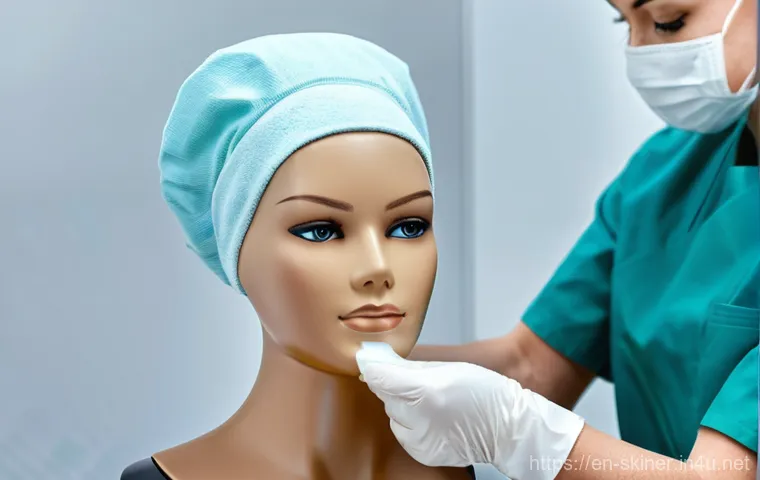
Okay, let’s be real. That fluttery feeling in your stomach as exam day approaches? Totally normal. I’ve been there, staring at my kit, wondering if I truly remembered every single step for a facial or the precise contact time for disinfectant. It’s a mix of excitement for the next chapter and a healthy dose of anxiety, which, believe it or not, can actually be a good thing if you channel it right! The practical exam isn’t just a test of your technical skills; it’s a test of your composure and confidence under pressure. You’re not just performing procedures; you’re showcasing your future self as a skilled, calm, and trustworthy professional. Think of it as your debut performance in the skincare world, a chance to prove to yourself and your examiners that you’ve got the grit and grace to shine. It’s about demonstrating your passion and expertise, not just reciting facts. Remember, every licensed esthetician has walked this path, and with the right strategy, you’ll not only pass but truly excel.
Visualizing Your Victory
One of the most powerful tools in your arsenal is visualization. Seriously, it sounds simple, but trust me, it works! Spend a few minutes each day, especially in the days leading up to the exam, closing your eyes and vividly imagining yourself confidently executing each step of the practical. Picture your workstation meticulously organized, your draping flawless, and your hands moving with precision and grace. Envision the examiner nodding approvingly, feeling that surge of accomplishment as you finish each section. This isn’t just wishful thinking; it’s priming your brain for success. When you mentally rehearse, you’re building neural pathways that make the actual performance feel more familiar and less daunting. It helps to calm those racing thoughts and replace them with a sense of control and preparedness. I remember doing this myself, mentally running through my facial routine, from client consultation to final product application, and on exam day, it felt like I was just doing it again, only for real. This technique not only reduces stress but also sharpens your focus, making you more attuned to the details when it truly counts.
The Power of Meticulous Practice
While visualization is fantastic for your mindset, nothing beats hands-on practice. And I’m not talking about a quick run-through. I mean full-on, timed, simulated exam conditions. Set up your mannequin, lay out your supplies exactly as you would on exam day, and go through every single procedure, from your initial setup and sanitation to makeup application and waxing. Time yourself! Many state boards provide specific time limits for each section, like 15 minutes for work area preparation or 10 minutes for facial cleansing, and sticking to these timings during practice is critical. If you’re struggling with a particular step, slow down and repeat it until it feels second nature. Record yourself if you can; it’s incredible how much you can learn by watching your own movements and identifying areas for improvement. Are your movements fluid? Is your draping secure? Are you maintaining proper sanitation throughout? My instructors always hammered home the importance of repetition, and looking back, they were absolutely right. The more you practice, the more muscle memory you build, which translates to a calm, confident, and competent performance when it matters most. Remember, practice isn’t just about getting it right; it’s about making it impossible to get it wrong.
Navigating the Practical Exam: Your Blueprint for Success
Walking into that practical exam room can feel a bit like stepping onto a stage, with every move under scrutiny. But here’s the secret: it’s less about perfection and more about demonstrating a thorough, consistent understanding of fundamental protocols. Every state board has a rubric, even if it’s not explicitly handed to you, and understanding what examiners are looking for is half the battle. They’re assessing your ability to perform a variety of services safely, efficiently, and with the utmost adherence to sanitation and client protection. I’ve seen countless students get tripped up not because they lack skill, but because they didn’t fully grasp the underlying expectations. From your initial setup to your final clean-up, every action speaks volumes about your readiness to enter this profession. It’s about building a solid foundation of knowledge and technique that allows you to adapt to any scenario the exam throws your way.
Understanding the Scoring Rubric
It’s super important to dig into your state’s specific guidelines or “Candidate Information Bulletin” (CIB) if they offer one. This document is your roadmap to success, detailing the exact procedures, sanitation protocols, and time limits for each section of the exam. For instance, some states might require specific massage strokes like effleurage, petrissage, friction, and tapotement, while others might focus more on general flow. Knowing these specifics beforehand allows you to tailor your practice and avoid losing points on easily preventable errors. Examiners are looking for a clear demonstration of skill and safety, so familiarize yourself with how each segment is evaluated. Are you bracing the skin during extractions? Is your product application smooth and even? Are your labels visible and correct? These small details add up, and understanding the rubric helps you pay attention to the critical elements. Don’t leave anything to chance; if your state provides a detailed breakdown, dissect it and use it as your ultimate study guide. I remember constantly referring to my CIB, making checklists out of every bullet point, and it truly demystified the whole process for me.
Simulating Exam Conditions at Home
This is where your practice really gets intense! Don’t just practice procedures in isolation; string them together as if you’re doing the entire exam from start to finish. This includes your initial setup of your work area and mannequin, client draping, and setting up all your supplies. Use a timer for each section to get comfortable with the pacing. For example, the pre-examination setup might be 15 minutes, while a basic facial could be 25 minutes. What helps immensely is getting your kit organized exactly as it will be on exam day, with all products correctly labeled and placed for easy access. If you’re doing a simulated waxing, you might even use honey as a substitute for actual wax, which behaves similarly and is easy to clean. It’s not just about doing the steps; it’s about doing them in the correct sequence, with the correct products, and within the allotted time. I used to set up my entire workstation, complete with my mannequin, and pretend a stern examiner was watching my every move. It sounds a bit silly, but it builds the mental resilience you need. Plus, it helps identify any logistical challenges with your kit setup before the actual exam day. The goal is for your routine to feel so ingrained that even under pressure, your hands know exactly what to do.
Precision in Motion: Excelling in Hands-On Techniques
This is where your training truly comes alive – the moment your hands connect with the “client” and your learned techniques take center stage. The practical exam is a symphony of delicate touches, firm pressures, and fluid transitions, all while maintaining a professional demeanor. Every movement, from how you apply cleanser to the artistry of a facial massage, is being observed for your skill, safety, and adherence to proper protocols. It’s not just about getting through the steps; it’s about showcasing mastery and an innate understanding of the skin. I vividly recall the hours I spent perfecting each stroke and application, knowing that these seemingly small details would collectively paint a picture of my expertise. This section of the exam is your opportunity to demonstrate that you are not just capable, but truly a craftsperson in the making.
Perfecting Your Facial Massage Flow
Facial massage is often a cornerstone of the practical exam, and examiners look for more than just moving your hands over the face. They want to see a confident, continuous, and rhythmic flow, incorporating key massage techniques such as effleurage, petrissage, friction, and tapotement. Maintaining contact with the mannequin’s “skin” throughout the massage is absolutely crucial; breaking contact can instantly diminish the professional appearance of your work. Think about the pressure you’re applying – it should be consistent and appropriate, mimicking what you’d do on a real client. Remember to cover the entire face and neck area gracefully. I practiced my massage routine so many times, focusing on creating a seamless, almost dance-like sequence. It helped to visualize the underlying muscles and lymph pathways, ensuring my movements were not just pretty but therapeutically effective. You’re not just performing a task; you’re telling a story with your hands, and that story should be one of competence and care. Pay attention to how you transition between different strokes, making sure each movement flows effortlessly into the next, demonstrating control and precision.
Gentle Yet Effective Extractions
For many, extractions can be a nerve-wracking part of the exam, but with proper technique, you’ll sail through it. The key here is often simulation, as actual extractions might not be required or even allowed on a mannequin. Examiners are primarily assessing your understanding of the correct procedure for manual comedone extraction, emphasizing hygiene and minimal skin trauma. You’ll need to demonstrate how you would prepare the area, simulate the extraction using the appropriate tools (often cotton swabs or gloved fingers), and then apply post-extraction soothing and antiseptic agents. Remember that maintaining a sterile field is paramount here. I always made sure to verbally articulate my steps during practice, even to my mannequin, to reinforce the sequence in my mind: “I am now preparing the area… applying gentle pressure… post-extraction care.” This internal dialogue, or even whispering it aloud during solo practice, really cements the correct order and technique. The goal is to show you can perform this sensitive procedure effectively and, most importantly, safely, leaving the “skin” calm and uncompromised.
The Art of Product Application
From cleansers to masks and moisturizers, every product application in your practical exam is a chance to show your attention to detail and gentle touch. Products should be applied evenly, thoroughly, and without waste. Think about the technique: how you dispense the product, how you warm it in your hands if necessary, and how you spread it across the face and neck using smooth, purposeful movements. Avoid getting product into the mannequin’s “eyes,” “nostrils,” or “mouth” areas – precision matters! When applying a mask, ensure a uniform layer, and during removal, be meticulous, leaving no residue behind. This is also where product knowledge subtly comes into play; though you likely won’t be questioned on ingredients, your confident handling of different product consistencies (e.g., a thick mask versus a light moisturizer) demonstrates familiarity. For example, using appropriate tools like spatulas for jar products not only maintains hygiene but also showcases your professional habits. I found that practicing in front of a mirror really helped me refine my application techniques, ensuring I was covering all areas efficiently and elegantly. It’s all about a professional, clean, and effective delivery that would leave a real client feeling pampered and perfectly cared for.
The Unseen Skill: Flawless Sanitation and Setup
Let’s be honest, sanitation often feels less glamorous than a perfect facial massage, but in the world of esthetics, it’s absolutely non-negotiable and, frankly, your superpower. This is the bedrock of our profession, and examiners will be watching your every move with an eagle eye to ensure you prioritize client safety and infection control. I’ve learned that truly mastering sanitation isn’t just about following rules; it’s about developing an ingrained habit, a sixth sense for cleanliness that becomes second nature. It demonstrates your respect for your client’s health and your commitment to professional standards. From the moment you step into your workstation to the final clean-up, your ability to maintain a pristine and safe environment speaks volumes about your readiness to practice. This isn’t just a part of the exam; it’s the foundation of a successful and ethical career.
Your Aseptic Superpower
Sanitation is evaluated throughout the entire exam, not just as a separate section. This means constantly being mindful of cross-contamination, properly disposing of soiled items, and meticulously cleaning and disinfecting your tools and workstation. Before you even touch anything, you should sanitize your hands. Always use fresh gloves when needed, and dispose of them properly. Make sure your waste receptacles are correctly labeled for disposables, items to be disinfected, and soiled linens. Remember to handle simulated products as if they were real, maintaining the same rigorous hygiene standards. Examiners are looking for continuous demonstration of aseptic procedures. For instance, if you use a disposable item, it goes immediately into the trash. If an implement needs disinfecting, it goes into the designated “to be disinfected” bag or container. This constant vigilance shows your commitment to preventing the spread of germs and protecting both yourself and your client. I swear, I used to narrate my sanitation steps in my head during practice, just to make sure I wasn’t missing anything. “Used cotton round, into the trash. Hands sanitized. New gloves.” It might seem over the top, but it works!
Equipment Mastery and Setup
Your workstation setup is the very first impression you make, and it sets the tone for your entire performance. Everything should be organized, labeled clearly, and readily accessible, but not cluttered. Examiners will check your kit to ensure all products are properly contained and labeled, and that you have all the necessary supplies for each procedure. Draping your mannequin correctly is also a key part of the initial setup, protecting the “client” and creating a professional aesthetic. Remember, products with visible labels facing the examiner make it easy for them to assess your preparedness without needing to handle your supplies. Having a designated area for clean tools, used tools, and trash bags is vital. Imagine your station as a perfectly orchestrated workbench where every tool has its place, allowing for smooth, uninterrupted workflow. I spent ages perfecting my kit organization, even color-coding my bags for different sections of the exam, simply because a calm, organized start makes for a much smoother and less stressful experience. It’s all about creating an environment that screams professionalism and competence before you even perform your first step.
The Clock Is Ticking: Mastering Exam Time Management
During a practical exam, time can feel like it’s both flying by and dragging at a snail’s pace. It’s a real challenge to maintain your composure and precision while constantly aware of the clock. I remember moments where I felt like I was moving at warp speed, only to glance at the timer and realize I still had so much to do! But here’s the kicker: efficient time management isn’t just about rushing; it’s about strategic pacing and knowing exactly how long each step should take. It’s about working smarter, not just faster, to ensure you complete all required procedures thoroughly and professionally. This critical skill not only helps you pass the exam but is absolutely essential for your future career, where appointments are often scheduled back-to-back, and every minute counts. Embracing effective time management now will pay dividends throughout your entire professional journey.
Pacing Yourself for Perfection
One of the biggest mistakes you can make is to sprint through the easy parts and then get bogged down in the more complex procedures. You need to allocate your time wisely across all segments of the exam. If a section has a 10-minute limit, aim to finish it within 8-9 minutes to give yourself a small buffer for unexpected issues or to simply take a deep breath. Practice running through the entire sequence under timed conditions, identifying where you tend to slow down or get stuck. Are you spending too long on skin analysis? Is your facial massage taking longer than allotted? Adjust your practice to shave off those extra seconds. I found that having a mental checklist for each section helped immensely, ensuring I hit all the required points efficiently. Examiners appreciate a smooth, continuous flow, not a frantic dash to the finish line. It’s a delicate balance of speed and thoroughness, and only consistent, timed practice will help you achieve that perfect rhythm. Remember, slow and steady wins the race, especially when “slow” still means hitting your time targets with confidence.
Quick Problem-Solving on the Fly
Let’s face it, things can go wrong. Maybe an implement slips, a product spills, or you momentarily forget a step. Panicking is your worst enemy! The key is to handle these situations gracefully and professionally, just as you would with a real client. If you drop an implement, calmly retrieve a fresh, disinfected one from your kit and continue. If you make a minor mistake, correct it quickly and discreetly, without drawing undue attention. The examiners are not looking for robots; they are looking for competent professionals who can maintain composure and problem-solve effectively. Always remember to sanitize your hands after any deviation from your routine, especially if you touched something outside your clean field. The ability to recover quickly and maintain your sanitation protocols shows an even higher level of professionalism and adaptability, indicating that you can handle real-world challenges with aplomb. I once almost knocked over my water bottle during a practice run, and it taught me to anticipate potential mishaps and have a plan for swift, calm recovery. It’s about being prepared for the unexpected and demonstrating that you can maintain control no matter what.
Beyond the Board: Turning Certification into a Thriving Career

Congratulations, you’ve aced the exam! But getting your license isn’t the finish line; it’s merely the starting gun for an incredible journey in the beauty industry. What comes next is leveraging that hard-earned certification into a flourishing career. It’s about more than just finding a job; it’s about building a brand, nurturing client relationships, and continuously evolving your skills. I’ve seen so many talented estheticians struggle because they focused solely on the exam and not enough on the ongoing strategy needed to thrive. The real world of esthetics demands a blend of technical mastery, business savvy, and a genuine passion for helping people feel beautiful and confident. Your license is your passport, but how you travel this professional journey is entirely up to you. Let’s talk about turning that piece of paper into a powerhouse career that not only fulfills you but also generates serious income!
Learning from Every Experience
Even after you pass, the learning never truly stops. Every client, every new product, every trend is an opportunity to grow. Take note of what treatments clients respond best to, which products fly off the shelves, and where you can refine your techniques. I make it a habit to reflect after every busy week, asking myself what went well, what could be improved, and what new skills I want to learn. Continuous education, whether through workshops, online courses, or industry conferences, is vital for staying competitive and offering the latest and greatest to your clients. Remember, the beauty industry is dynamic, constantly evolving with new scientific breakthroughs and technological advancements. Being a lifelong learner keeps your skills sharp and your services in demand, ensuring you’re always at the forefront of innovation. This dedication to continuous improvement is what truly sets apart a good esthetician from a truly exceptional one, making you a trusted authority in your field.
Leveraging Your New Certification
Once you have that license in hand, it’s time to shout it from the rooftops! Update your resume, LinkedIn profile, and any professional social media accounts. Start networking with other estheticians, spa owners, and beauty professionals. Attend industry events and trade shows to make connections and learn about job opportunities. And most importantly, develop your unique professional narrative. What makes you stand out? What’s your specialty or passion within esthetics? This is also where you can start thinking about building your own online presence, whether it’s an Instagram showcasing your work or a blog offering skincare tips. Remember, clients are looking for expertise and a personal connection. Highlight your strengths, your commitment to client care, and your freshly minted certification. I remember the immense pride I felt updating my professional profiles, and it opened so many doors. Your license isn’t just a document; it’s a testament to your dedication and skill, and it’s time to show the world what you’ve got!
Building Client Trust: The Heart of Your Practice
In our industry, technical skill is just one piece of the puzzle. The real magic happens when you connect with your clients on a deeper level, transforming them from one-time visitors into loyal advocates. This isn’t something you can learn from a textbook; it’s an art form, honed through genuine interaction and empathy. I’ve found that people don’t just come to me for a facial or a wax; they come for the experience, the advice, and the feeling of being truly cared for. Building trust is about listening more than you speak, understanding their unique needs, and making them feel comfortable and valued in your space. This human connection is what turns a good esthetician into an indispensable one, securing not just repeat business but heartfelt recommendations that fuel a thriving practice.
The Art of Active Listening
Client consultations are your golden opportunity to build rapport and gather crucial information. It’s not just about filling out a form; it’s about engaging in a meaningful conversation. Ask open-ended questions about their skincare concerns, lifestyle habits, and what they hope to achieve from the treatment. More importantly, truly listen to their answers. Don’t just wait for your turn to speak. Active listening shows empathy and makes the client feel heard and understood. This helps you tailor your services precisely to their needs and manage their expectations realistically. I always make sure to take detailed notes during consultations, not just for my records, but to show the client that I’m fully invested in their journey. Remember, a client who feels understood is a client who trusts you, and trust is the foundation of any long-lasting relationship in our business. It helps to use everyday language and avoid overwhelming jargon, making them feel like a partner in their skincare journey rather than just a recipient of services.
Communicating Post-Treatment Care
Your responsibility doesn’t end when the treatment does. Providing clear, concise, and personalized post-treatment care instructions is vital for maintaining results and preventing complications. This not only showcases your professionalism but also reinforces your role as their trusted skincare expert. Explain what products they should use at home, how to use them, and what to expect in the days following their service. Offer practical tips and emphasize the importance of sun protection. This is also a fantastic opportunity to subtly recommend retail products that will genuinely benefit their skin between appointments, without making it feel like a hard sell. Think about their lifestyle and offer realistic advice they can actually incorporate into their routine. I often provide a small, written summary of aftercare instructions, because let’s face it, clients might forget details once they leave the spa. This thoughtful touch goes a long long way in demonstrating your commitment to their skin health and ensuring they feel supported even after they’ve walked out your door. A simple follow-up email or message can also strengthen this bond and encourage repeat visits.
Optimizing Your Workflow: Efficiency Meets Excellence
Think about a bustling spa or salon where every minute counts – that’s the reality you’ll step into. Your practical exam is a microcosm of that environment, demanding not just skill, but also seamless workflow and impeccable organization. It’s not enough to know how to perform a service; you need to execute it with an efficiency that allows you to deliver a top-notch experience within a set timeframe. I’ve personally found that a well-organized station and a streamlined approach to each procedure dramatically reduce stress and allow for a more polished performance. This isn’t about cutting corners; it’s about maximizing every moment to showcase your best work, ensuring nothing gets overlooked. Developing a methodical workflow now will serve you incredibly well throughout your entire career, making you a more effective and successful esthetician.
Setting Up for Success
Before you even begin your first procedure, your workstation should be a testament to your organizational skills. Every tool, product, and linen should be laid out in a logical sequence that anticipates your movements. This minimizes fumbling and allows you to grab what you need without breaking your flow or contaminating your clean field. Labeling everything clearly is non-negotiable; examiners need to see that you understand product identification and purpose. Think about ergonomics – can you reach everything comfortably without stretching or awkward movements? Having your trash and soiled linen receptacles within easy reach means you can dispose of items immediately, maintaining a tidy and sanitary area. This pre-planning might seem tedious, but it saves precious time and prevents those minor, point-losing fumbles during the actual exam. I used to physically walk through my setup at home, imagining each step of the facial and making sure everything was exactly where I’d need it. It creates a rhythm and confidence that is invaluable when the clock starts ticking.
Streamlining Your Transitions
The pauses between different segments of your exam – moving from cleansing to exfoliation, or from massage to mask application – are often overlooked but are crucial for maintaining efficiency and a professional appearance. These transitions should be smooth, purposeful, and sanitary. As you finish one step, immediately dispose of used items into the correct receptacle, sanitize your hands, and then smoothly move to retrieve the supplies for the next step. Avoid unnecessary movements or lingering at your kit. The goal is to make it look effortless, as if each part of the facial flows naturally into the next. Remember that examiners are observing your overall workflow. A fluid transition not only saves time but also projects an image of competence and experience. I found it helpful to mentally link each step, creating a seamless chain of actions. This deliberate practice of smooth transitions not only boosts your score but also lays the groundwork for real-world client experiences where efficiency directly impacts client satisfaction and your ability to serve more people effectively.
Your Earning Potential: Building a Business Mindset
Let’s be honest, while passion for skincare is at the core of what we do, the practical side of being an esthetician also means understanding your value and building a financially sustainable career. Passing your exam is just the first step; the real long game is about transforming your skills into a thriving business, whether you’re working for someone else or launching your own venture. It’s about more than just hourly wages; it’s about recognizing your earning potential and strategically positioning yourself in the market. I’ve learned over the years that truly successful estheticians aren’t just skilled technicians; they’re also savvy entrepreneurs who understand the nuances of revenue generation and client retention. Thinking with a business mindset from day one will dramatically impact your trajectory and ensure your passion translates into a prosperous future. This isn’t just a job; it’s a career where you can truly call the shots and create the life you envision.
Understanding Your Market Value
Once you’re licensed, you immediately have a valuable skill set. Don’t undervalue yourself! Research average wages for estheticians in your area, considering your experience level and the types of services you’re offering. This understanding helps you negotiate salaries or set your pricing if you’re self-employed. But it’s not just about the numbers; it’s also about the value you bring to your clients. Are you specializing in advanced treatments? Do you offer a unique client experience? These factors elevate your market value. I always tell new estheticians to identify their niche early on. What makes you different? This unique selling proposition allows you to command higher prices and attract a loyal clientele. Your education and certification are significant investments, and it’s time to start seeing them as the foundation for a lucrative future. This table offers a general idea of different revenue streams for estheticians. Keep in mind, these are averages, and your potential can vary greatly based on location, specialization, and personal drive.
| Revenue Stream | Description | Impact on Earnings |
|---|---|---|
| Service Fees | Income directly from facials, waxing, etc. | Core income, directly tied to appointment volume. |
| Retail Product Sales | Selling skincare products to clients. | Boosts average transaction value, passive income. |
| Treatment Add-ons | Upgrading services with extra steps or products. | Increases per-client revenue, enhances client experience. |
| Referral Bonuses | Commissions from referring clients to other specialists. | Small but consistent extra income, builds network. |
Crafting Your Personal Brand
In today’s digital world, your personal brand is just as important as your technical skills. This isn’t about being fake; it’s about authentically showcasing your expertise, personality, and passion for skincare. Think about your social media presence – are you sharing educational content, before-and-after photos (with client permission, of course!), and insights into your favorite products and techniques? Are you using platforms like Instagram and TikTok to connect with potential clients and establish yourself as an authority? A strong online presence not only attracts new clients but also allows you to diversify your income, perhaps through affiliate marketing or sponsored content down the line. I started my blog and Instagram early on, sharing tips and my personal journey, and it’s been incredible to see how it’s connected me with so many amazing people and opportunities. Your brand is your story, your unique voice, and it’s what will resonate with the clients who are the perfect fit for your services. Invest time in building this now, and watch your business flourish far beyond the treatment room.
Closing Thoughts
And there you have it, future estheticians! Remember, the practical exam is a significant hurdle, but it’s one you are more than capable of clearing. It might feel overwhelming now, but every challenge is just a stepping stone on your journey to becoming a confident, skilled professional. Embrace the nerves, channel them into focused practice, and trust in the knowledge and techniques you’ve diligently acquired. This isn’t just about passing; it’s about confidently stepping into a career where you’ll empower clients to feel their absolute best. You’ve got this, and I can’t wait to see you shine!
Insider Tips for Your Esthetics Journey
Here are some extra nuggets of wisdom I’ve picked up along the way that I truly believe will make a difference, not just for your exam, but for your entire career:
1. Network like crazy, even before you’re licensed. Seriously, attend local beauty expos, follow successful estheticians on social media, and connect with your classmates. The relationships you build now can open doors to mentorships, job opportunities, and invaluable advice down the line. I found some of my most cherished industry connections just by being proactive and putting myself out there. It’s not just about what you know, but who you know, and how you genuinely connect with them. Don’t underestimate the power of a friendly face and a genuine conversation in our tight-knit industry.
2. Prioritize self-care, especially during intense study periods. It sounds counterintuitive when you’re cramming, but burning out helps no one. Make sure you’re getting enough sleep, eating well, and taking short breaks to de-stress. A fresh, rested mind absorbs information better and performs more effectively under pressure. I learned this the hard way during my own studies – trying to push through exhaustion only made me less efficient and more anxious. Your well-being directly impacts your performance and overall success.
3. Start building your personal brand online, even with small steps. Think about a professional Instagram account or a simple blog where you share skincare tips you’re learning. This isn’t just for after you’re licensed; it helps you articulate your knowledge and start attracting an audience. Showcasing your passion and expertise early on can build credibility and connections that will be invaluable for future client acquisition and even potential brand partnerships. It’s like planting seeds for your future success!
4. Find a mentor you truly admire. This could be an instructor, a spa owner you look up to, or even an experienced esthetician you connect with online. Having someone who’s been there, done that, and can offer guidance and encouragement is priceless. They can provide insights you won’t find in textbooks and help you navigate the tricky parts of starting your career. I still lean on my mentors for advice, and their perspective has been instrumental in my growth. It’s like having a secret weapon in your corner.
5. Embrace constructive criticism as a gift. During your practical training and especially after you get your license, feedback is your best friend. Instead of seeing it as a critique, view it as an opportunity to refine your skills and grow. Ask for specific feedback after mock exams or even after client services. This willingness to learn and improve constantly is a hallmark of truly exceptional professionals. It shows you’re committed to mastery, not just mediocrity, and that hunger for improvement will set you apart.
Summarizing Your Path to Success
Alright, let’s condense all that wisdom into the absolute essentials. Firstly, meticulous preparation and visualization are your secret weapons for conquering pre-exam jitters, making exam day feel like a familiar routine. Secondly, understanding your state board’s rubric and simulating exam conditions ensures every move you make aligns with expectations, turning potential pitfalls into perfected protocols. Thirdly, flawless sanitation and an organized workstation aren’t just requirements; they’re the foundation of professionalism and client trust, speaking volumes about your commitment to safety. Lastly, effective time management and a proactive business mindset will not only help you pass with flying colors but also set you on the fast track to a thriving, profitable career where your passion truly pays off. Keep these pillars in mind, and you’re not just ready for the exam; you’re ready to excel in the vibrant world of esthetics!
Frequently Asked Questions (FAQ) 📖
Q: How can I truly conquer those awful exam-day jitters and stay calm under pressure?
A: Oh, believe me, I’ve been there! The butterflies, the shaky hands, the sudden fear of forgetting everything you’ve ever learned – it’s a completely normal part of exam day.
What I personally found to be a game-changer wasn’t just more practice (though that’s vital!), but learning to manage my mind. Before the exam, visualize yourself performing flawlessly.
See every step, feel the confidence. On the day itself, take a few deep, slow breaths before you even walk into the room. Remind yourself that you’ve put in the work, you know your stuff, and this is just your moment to show it off.
I even used to have a little mantra, something like, “I am prepared, I am capable, I’ve got this!” Having a solid, strategic plan for your exam, knowing exactly what steps you’ll take, builds an incredible foundation of confidence that actively pushes those nerves away.
When you feel sure of your routine, the anxiety tends to quiet down, letting your true skills shine through.
Q: Beyond just “knowing the steps,” what are the absolute most crucial elements examiners are looking for in a practical skincare exam?
A: This is such a smart question, because it’s so much more than just going through the motions! From my time both taking and observing these exams, I’ve realized examiners are truly assessing your professionalism and client-centric approach.
First off, impeccable sanitation is non-negotiable. I’m talking about every single detail – proper hand washing, tool disinfection, maintaining a sterile environment.
It shows respect for your client and your craft. Secondly, fluidity and confidence in your technique. It’s not just about doing the facial massage, but doing it with a smooth, purposeful flow that looks and feels professional.
Don’t rush, but don’t drag either. And critically, client communication – even if it’s a silent model or an instructor playing the role, show you’re thinking about the client’s comfort and experience.
Little things like making eye contact (if appropriate), gentle touches, and clearly explaining your steps (even to yourself, if you can’t speak to the “client”) speak volumes.
Remember, they want to see someone they’d trust with their own skin, and that means someone who’s knowledgeable, hygienic, and truly caring.
Q: How can I truly impress the examiners and ensure my performance opens doors to future opportunities, rather than just barely passing?
A: This is where you move from being good to being memorable! To truly shine and leave a lasting impression, it’s all about showcasing your passion and a certain level of finesse.
Think beyond the checklist. Can you anticipate needs? Can you adapt if a small hiccup occurs?
For example, if you accidentally drop a cotton pad, how smoothly and hygienically do you recover? That shows problem-solving and grace under pressure.
Your confidence should radiate, not as arrogance, but as a calm, assured presence. I always encouraged my mentees to treat the “client” on the exam table as if they were a paying customer in a high-end spa.
Every touch, every product application, every interaction should convey genuine care and a deep understanding of what you’re doing. This demonstrates not just technical skill, but a professional demeanor and an innate understanding of client experience, which hiring managers absolutely love to see.
It signals that you’re not just ready to pass, but ready to excel in the real world.